
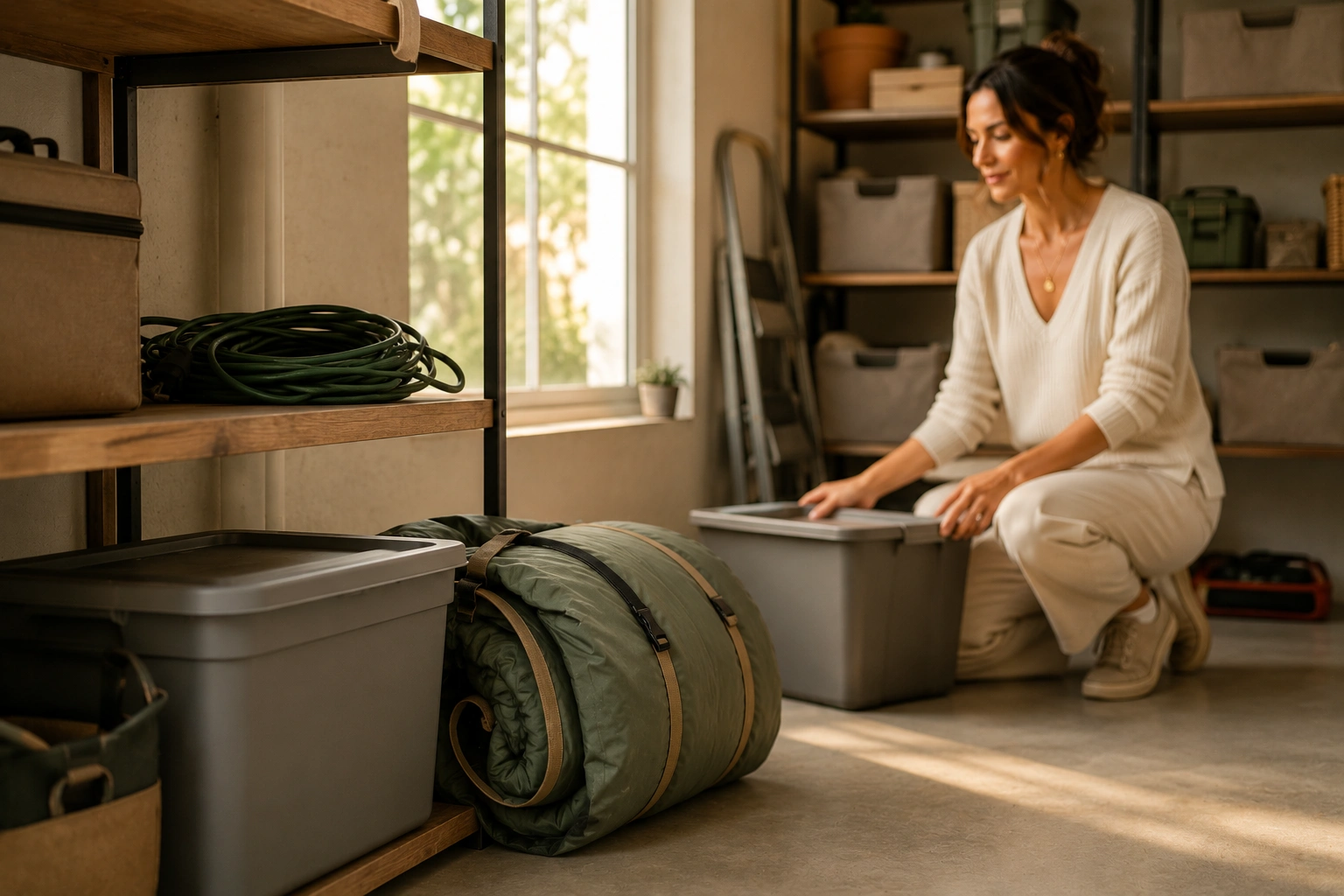
Stop Buying It, Rent It: 5 Things Costing You Money to Own
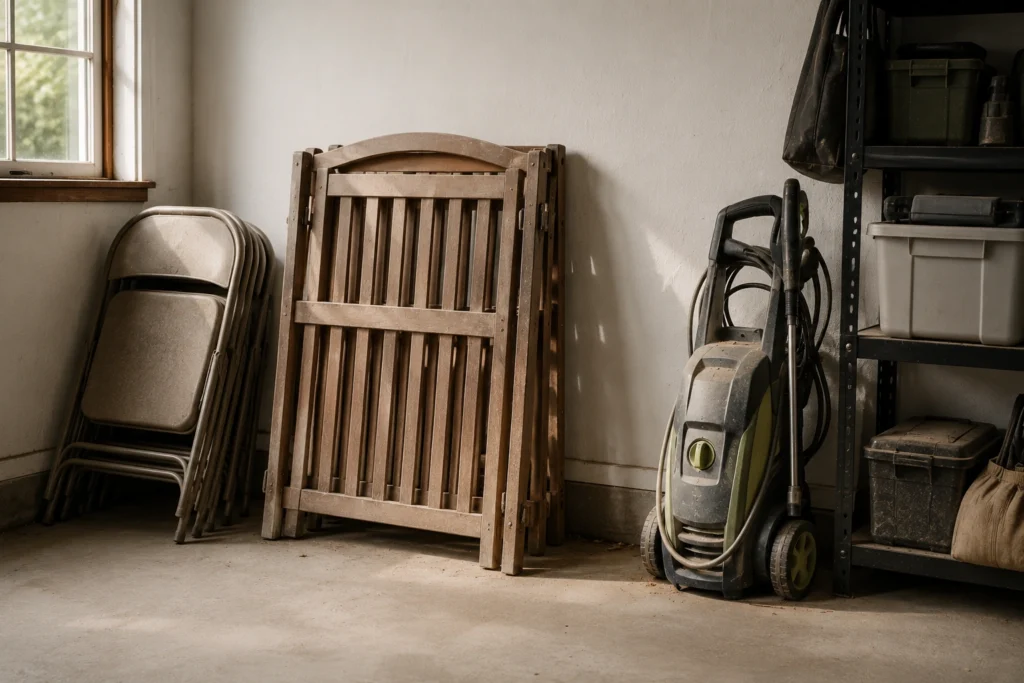
Rent instead of buy is not the kind of advice that feels urgent until you’re standing in a garage looking at a pressure washer used exactly once, or a crib that held a baby for eight months before the next size arrived, or a tile saw bought for a single weekend project that ended up costing more than hiring someone to do the job entirely. The uncomfortable truth sitting underneath most households’ storage spaces isn’t that anyone made a careless decision. It’s that ownership was the default option, and nobody stopped to ask whether it was the right one.
The math on this is rarely calculated honestly, because purchase price feels like the whole cost and it almost never is. There’s the storage cost, the maintenance, the slow depreciation of something sitting unused, and the opportunity cost of money that could have gone somewhere else entirely. Rent instead of buy isn’t about deprivation or making do with less. It’s about matching the financial commitment to how often something actually gets used, and recognising that the answer is sometimes “almost never” for things that felt essential at the moment of purchase.
Why “Just Buy Quality and It’ll Last” Misses the Actual Point
The standard advice in frugal living content treats every purchase decision as a quality question. Buy the good version, the durable version, the one that will last years rather than months, and you’ll save money over time compared to cheap replacements. This advice isn’t wrong, but it answers a question that often isn’t the relevant one.
A high-quality pressure washer that lasts fifteen years is still a poor financial decision if it gets used twice during those fifteen years. Durability solves the wrong problem when the actual issue is frequency of use, not product lifespan. The quality-focused advice assumes regular use is already established and asks how to make that regular use as cost-effective as possible. It never asks the prior question, which is whether regular use is actually happening or whether the item is mostly occupying space and slowly losing value while waiting for an occasion that arrives once or twice a year.
This is where rent instead of buy logic actually applies, and it’s a different decision framework entirely. Not “what’s the best version of this to own,” but “does owning this make financial sense at all, given how rarely it gets used.”
The Actual Decision Framework for Rent Instead of Buy
Before evaluating specific categories, the framework itself is simple enough to apply to almost anything sitting in a garage, closet, or storage unit right now.
Estimate how many times per year the item actually gets used, honestly, based on the last twelve months rather than an optimistic future estimate. Compare the total rental cost for that same number of uses against the purchase price plus a rough estimate of storage cost and maintenance. If renting for those occasions costs less than half of what owning costs annually, rent instead of buy wins clearly. If the gap is closer, ownership starts making more sense, particularly for items used monthly or more often.
The category that consistently produces the clearest rent instead of buy answer is anything tied to a specific life stage or occasion rather than ongoing regular activity. These are items bought with genuine intention that quietly become storage liabilities once the specific occasion or stage passes.
Five Things Costing You Money to Own
These five categories consistently produce the strongest case for renting instead of buying, based on typical usage patterns across households.
Baby gear tied to a specific stage. Cribs, bassinets, baby bathtubs, and specialty strollers are used intensely for a short window, often under a year, before a child outgrows them entirely. The purchase price for quality versions of these items is significant, and the resale value drops sharply once the item shows any wear. Rental services specifically for baby gear have become genuinely practical in recent years, charging a fraction of the purchase price for exactly the window of time the item is actually needed.
Specialty tools used for single projects. Tile saws, pressure washers, certain power drills, and large ladders fall into this category constantly. A single home improvement project might genuinely need a tile saw for one weekend, and the purchase price of even a budget version often exceeds what a weekend rental from a hardware store or peer-to-peer tool rental service would cost. The tool then sits in a garage indefinitely, slowly losing both function and resale value.
Formalwear and occasion-specific clothing. A formal dress or suit worn once for a wedding or major event, then stored for years waiting for the next occasion that may never arrive in quite the same size or style, represents money spent on closet space more than on the actual event. Rental services for formal occasion wear have expanded enough that the selection genuinely rivals retail, often at a fraction of the purchase cost for a single wear.
Recreational equipment used seasonally or rarely. Kayaks, camping gear for a single annual trip, certain sports equipment tried once with an intention to take up a new hobby that didn’t stick. These items often represent the largest sunk cost relative to actual use, because the initial enthusiasm at purchase rarely matches the follow-through afterward.
Event and party equipment. Folding tables, extra chairs, large coolers, and decoration items bought for one celebration and then stored for the next one, which might be years away. The per-use cost of owning these items, calculated honestly against how often they’re actually used, is almost always higher than renting them for the specific date needed.
The Reverse Side: Renting Out What You Already Own
The same logic running in the opposite direction is worth genuine consideration. If an item sitting unused in storage has real rental value to someone else, that storage liability becomes a small income source instead. Tools, baby gear past the stage of needing it personally, a driveway or parking spot in a high-demand area, even a pool during summer months, all represent assets with rental value that most households never think to monetise.
I am not a financial advisor and this is not financial advice. For your specific situation, talk to a qualified professional. With that said, it’s worth knowing generally that income earned from renting personal property is typically considered taxable and should be reported accordingly. According to the IRS self-employed individuals tax center, even occasional income from activities like renting out personal items needs to be tracked, and keeping a simple record from the first rental transaction avoids a confusing scramble later when filing.
The Hard Numbers Behind Rent Instead of Buy
The comparison varies by category, but laying out a few realistic examples side by side makes the pattern clear.
| Item | Typical Purchase Cost | Typical Rental Cost Per Use | Annual Uses to Break Even |
|---|---|---|---|
| Specialty power tool | $150-$300 | $35-$60 per weekend | 4-6 weekends a year |
| Formal occasion dress | $200-$500 | $50-$120 per event | 3-5 events a year |
| Baby crib and bassinet | $250-$450 | $40-$70 per month | 6-8 months continuous use |
| Folding tables and chairs (party set) | $300-$500 | $75-$150 per event | 3-4 events a year |
| Kayak or camping gear set | $400-$800 | $50-$90 per trip | 6-9 trips a year |
The pattern across every category is consistent. Unless the item gets used at a frequency close to or exceeding the break-even point, rent instead of buy comes out ahead, often by a wide margin, once storage cost and the slow loss of resale value are factored in honestly.
On the earning side, the numbers work in the opposite direction but follow the same logic. A specialty tool rented out four to six times a year at the rates above can generate close to what it would have cost to rent the same tool, turning a storage liability into a small but real offsetting income, particularly for items that would otherwise sit completely idle.

What Changes Once You Start Applying This
The most immediate change isn’t financial. It’s the reduction in clutter and the mental weight that comes with storing things “just in case” they get used again someday. A garage with fewer rarely-used items sitting indefinitely feels different to walk into, and that change happens before any rental income or savings even register on a bank statement.
The financial change builds more slowly but compounds across categories. A household that applies rent instead of buy logic to even two or three of the five categories above, the next formal event, the next single-project tool need, the next piece of baby gear for a stage that will pass quickly, avoids a meaningful amount of money tied up in items that would have spent most of their existence sitting unused. If you’re navigating new motherhood specifically and looking at ways to manage costs during a season with a lot of short-lived gear needs, the income ideas for new mothers article on this site covers several related strategies for that specific stage of life.
The earning side, for households willing to rent out items they already own, adds a modest but real income stream that requires no new purchase and minimal ongoing effort beyond occasional coordination with renters.
The Honest Summary
Rent instead of buy isn’t a rule that applies to everything, and items used regularly, monthly or more, almost always make more financial sense to own outright. The framework only matters for the specific category of purchases made for occasions, stages, or single projects that pass quickly and then sit in storage indefinitely.
Walk through your own garage, closet, or storage space this week with the five categories above in mind. The next time one of them comes up again, a project, an event, a gear need tied to a stage that won’t last, run the comparison honestly before defaulting to a purchase. Rent instead of buy is a small decision repeated occasionally, not a lifestyle overhaul, and it adds up exactly the way most quiet financial habits do.