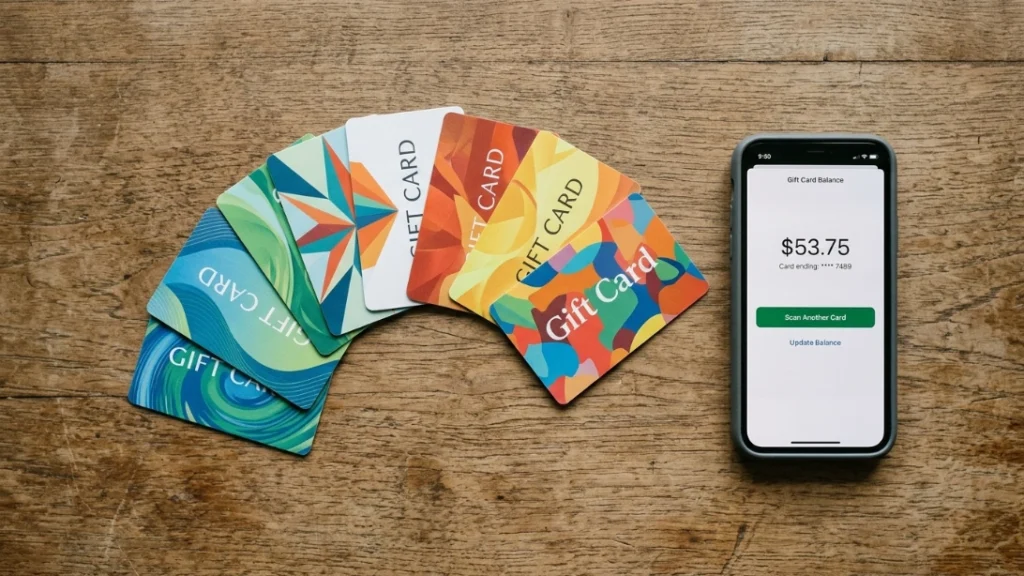
Somewhere in a junk drawer, a wallet, or a folder of old birthday cards, most households are quietly sitting on real, unclaimed money. Gift cards from a job you left, a store you never shop at, a wedding or holiday gift that didn’t quite match your taste, all of it has genuine cash value sitting unused. Sell unused gift cards safely is the honest, specific version of this process, not just a list of website names, but the actual mechanics that determine whether you get sixty cents on the dollar or ninety, and the real safety steps that protect you from the one part of this niche most articles gloss over entirely: outright scams.
This is the full sell unused gift cards safely walkthrough. Why unused gift cards pile up in the first place, the real difference between digital and physical card resale value, every genuine selling channel and how their payouts actually compare, exactly what determines whether a specific card is worth more or less, the verification process platforms actually require, the scam patterns that specifically target gift card sellers, and what to do with a card that genuinely can’t be sold.
Sell unused gift cards safely means understanding that resale value depends heavily on brand demand, whether the card is digital or physical, and which platform you use, while protecting yourself from a small but real category of scams that specifically target this exact transaction. Digital cards from popular, widely accepted brands typically sell fastest and closest to face value, while physical cards, less common brands, and cards with restrictions sell for meaningfully less.
Why Unused Gift Cards Pile Up in the First Place
The average household has more unclaimed gift card value sitting around than most people realize, and understanding why makes the whole situation feel less like a personal oversight and more like a completely normal, common pattern. A gift card is an easy, low-effort present to give, which means people receive them for occasions where the giver didn’t know exactly what to buy, a coworker’s holiday exchange, a distant relative’s birthday gift, a wedding registry gap filled at the last minute.
The mismatch happens because a gift card assumes you’ll shop somewhere you might not actually shop, or that you’ll remember to use it before life gets busy and the card gets buried in a drawer. Cards from stores that closed a physical location near you, restaurants you’ve since stopped visiting, or a chain you simply don’t shop at regularly all end up in the same place, unused, with real value just sitting there.
Divorce, moving, downsizing, or generally decluttering a home tends to surface a meaningful number of these forgotten cards all at once, since they’re exactly the kind of small, easy-to-overlook item that accumulates for years without ever being consciously noticed until you’re going through everything at once.
Digital Versus Physical Cards: Why This Distinction Matters More Than People Expect
The single biggest factor most people overlook when trying to sell unused gift cards safely is whether the card is digital or physical, and the difference in both speed and payout is real enough to matter.
A digital gift card, one received by email or existing only as a code, is faster to verify, since the platform buying it can check the balance and validity almost instantly. This speed translates directly into better payouts, platforms take on less risk and less handling time with a digital card, which means they’re generally willing to pay a meaningfully higher percentage of face value compared to an identical physical card from the same brand.
A physical card requires either mailing it in, which adds days to the process, or, in the case of certain in-store kiosks, physically bringing it somewhere in person. Both add friction that digital cards simply don’t have, which is reflected directly in the lower payout percentages physical cards typically receive.
If you’re holding both digital and physical cards and need to prioritize, digital cards from well-known brands are consistently the strongest, fastest, highest-paying option across this entire category.
Every Real Selling Channel, and How They Actually Compare
There isn’t one single best place to sell unused gift cards safely, the right channel depends on how quickly you need cash, how much effort you’re willing to put in, and how comfortable you are with a small amount of added risk in exchange for a potentially higher return.
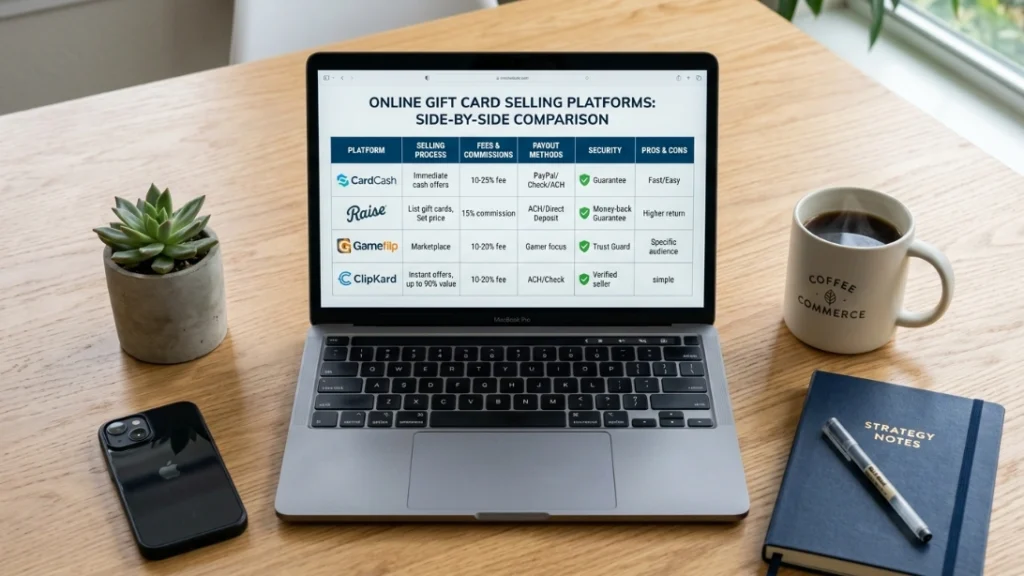
Dedicated gift card resale platforms are the most common starting point, working either by buying your card directly and reselling it themselves, or by listing it in a marketplace where you set your own price and wait for a buyer. Platforms that buy directly tend to pay out faster, sometimes within a day, but usually at a lower percentage of face value. Marketplace-style platforms can net a higher return but require waiting for an actual buyer.
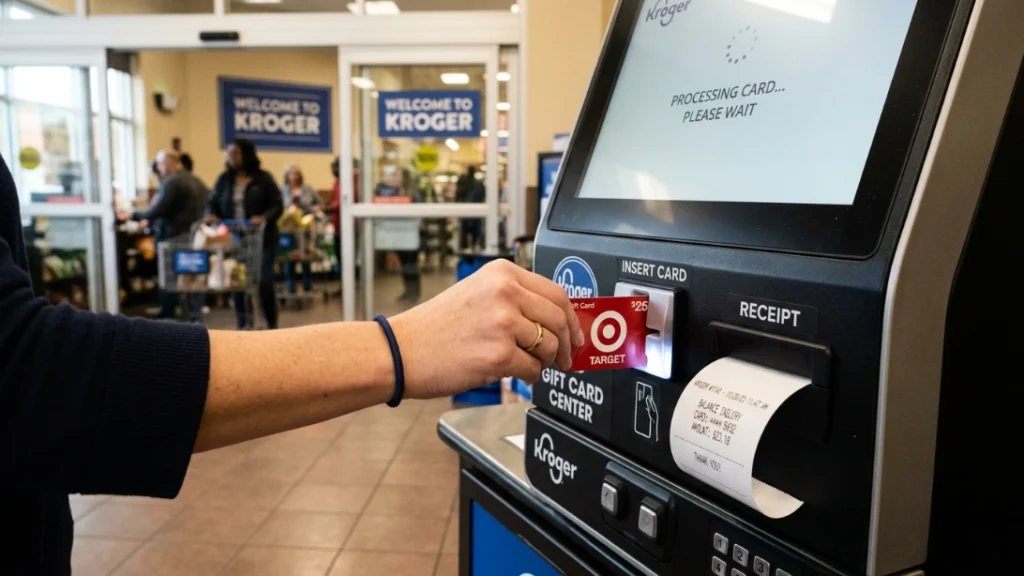
In-store kiosks, typically found near a grocery store entrance, offer the fastest possible payout, often instant cash, but consistently pay the lowest percentage of face value of any legitimate option.
Trading a card for a different gift card, rather than cash, is worth knowing about. Some platforms let you trade an unwanted card for one from a brand you’ll actually use, often at a better effective rate than a straight cash sale.
Peer-to-peer sales, through a local marketplace listing or a community group, can net the highest possible return, since there’s no platform fee cutting into the sale price, but this is also where the real safety risk concentrates.
What Actually Determines a Card’s Resale Value
Brand popularity and demand matter enormously. Cards from large, widely used retailers sell quickly and at a higher percentage simply because buyer demand is consistently high. A card from a small regional business may sit unsold for weeks or receive offers well below what a more popular brand’s card would.
Card balance affects how quickly a card sells. A very small balance is often not worth listing at all, since some platforms have minimum balance requirements.
Restrictions and expiration reduce a card’s value significantly. A card restricted to a specific location, or one with an expiration date approaching soon, is less attractive to a buyer, reflected directly in lower offers.
Proof of purchase or receipt, while not always required, can sometimes support a smoother, faster verification process for higher-value cards.
The Verification Process, and Why It Exists
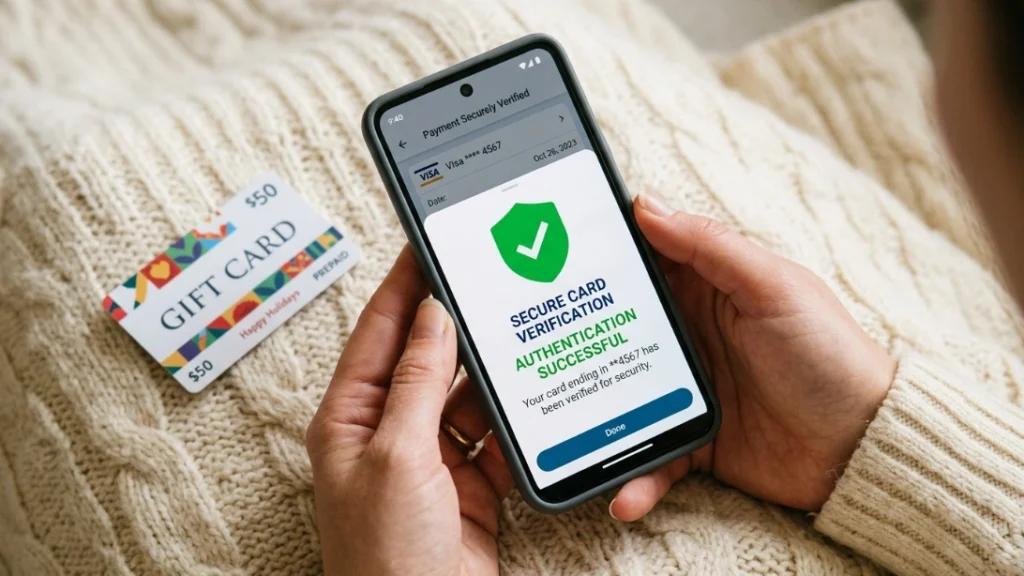
Every legitimate platform involved in helping you sell unused gift cards safely runs some form of verification before completing a purchase. Gift card fraud is a genuine, ongoing problem, stolen card numbers, cards purchased with stolen payment methods. Because of this, legitimate platforms typically require the card number and PIN, sometimes a photo of the physical card, before finalizing a purchase.
This verification step is a normal, expected part of a legitimate transaction, not a red flag on its own. What is worth noticing is how a platform verifies rather than whether it verifies at all, a legitimate platform’s process should feel proportional and professional.
The Scam Patterns That Specifically Target Gift Card Sellers
This is the part of selling unused gift cards safely that almost every competitor article covers with a single vague warning line instead of the specific patterns worth actually knowing.
The overpayment scam targets sellers directly. A “buyer,” usually reaching out through a peer-to-peer listing, sends payment for more than the agreed price and asks you to refund the difference, often urgently. The original payment is fake or will be reversed after you’ve already sent the refund. Any request to refund an overpayment is a clear signal to stop the transaction entirely.
The “buy my card at face value” offer that’s too good to be true is a second common pattern. A legitimate platform pays less than face value because they’re taking on resale risk. Anyone offering full face value outside a recognized, established platform is very likely planning to either not pay at all, or use a stolen payment method that will eventually be reversed, leaving you responsible.
Fake resale platforms and apps mimicking legitimate services are a real and growing pattern, particularly ones that surface through search ads or social media rather than a direct search for a known platform. Checking that a platform has real user reviews across independent sources before sending any card details is a real, worthwhile precaution.
Requests to pay a fee upfront before receiving payment is a consistent red flag. Legitimate platforms deduct their fee from the payout, they don’t require you to pay anything upfront to sell your own card.
The safest general practice: stick to established, well-reviewed platforms with a genuine track record, be skeptical of any offer significantly above what other platforms offer for the same card, and never send card details in response to an unsolicited message. The Consumer Financial Protection Bureau’s guidance on recognizing common scam patterns applies directly here, urgency, requests to pay upfront, and offers that seem too good to be true are consistent red flags across nearly every kind of consumer scam, not just this one.”
Comparing Your Real Options at a Glance
| Selling Method | Typical Speed | Typical Return | Best For |
|---|---|---|---|
| Direct-buy resale platform | Fast, often 1-2 days | Lower percentage of face value | Needing cash reasonably quickly |
| Marketplace-style resale platform | Slower, depends on buyer demand | Higher percentage, you set the price | Maximizing return when not in a rush |
| In-store kiosk | Instant | Lowest percentage of all options | Immediate cash need |
| Trade for a different gift card | Fast | Often a better effective rate than cash | A card you’ll genuinely use |
| Peer-to-peer local sale | Variable | Potentially highest, no platform fee | Comfortable managing added safety risk |
Selling in Bulk: What Changes When You Have Several Cards
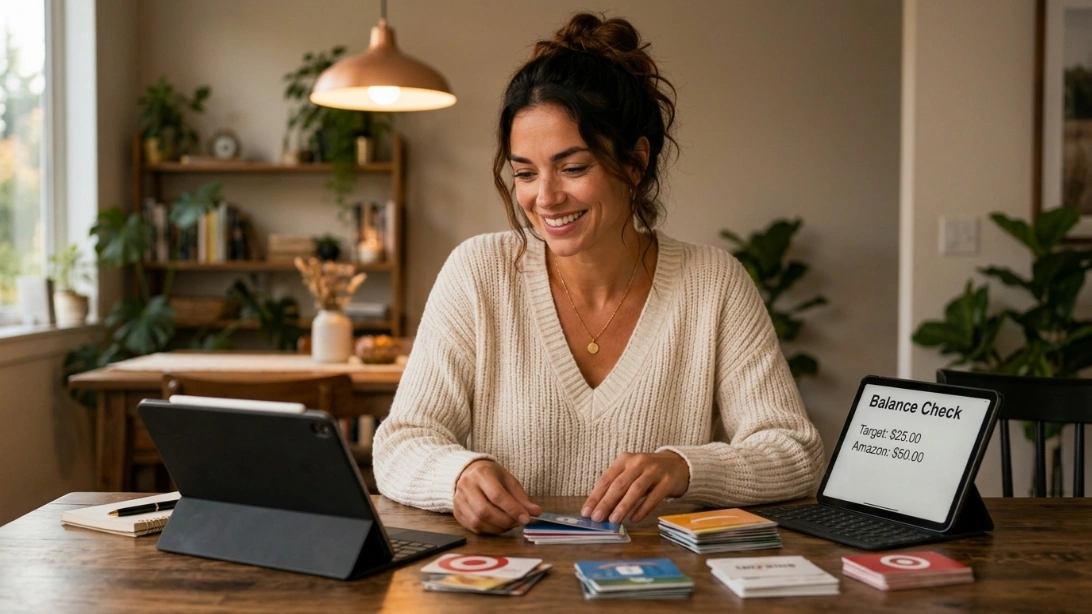
Selling several cards at once, particularly through a single marketplace-style platform, can streamline the process, since you’re managing one verification relationship rather than starting from scratch each time. Sort your cards by value and brand demand before starting, prioritizing your highest-value, most popular-brand cards for the platforms offering the best percentage return, and reserving lower-value cards for the fastest, most convenient option.
Which Card Categories Tend to Resell Best
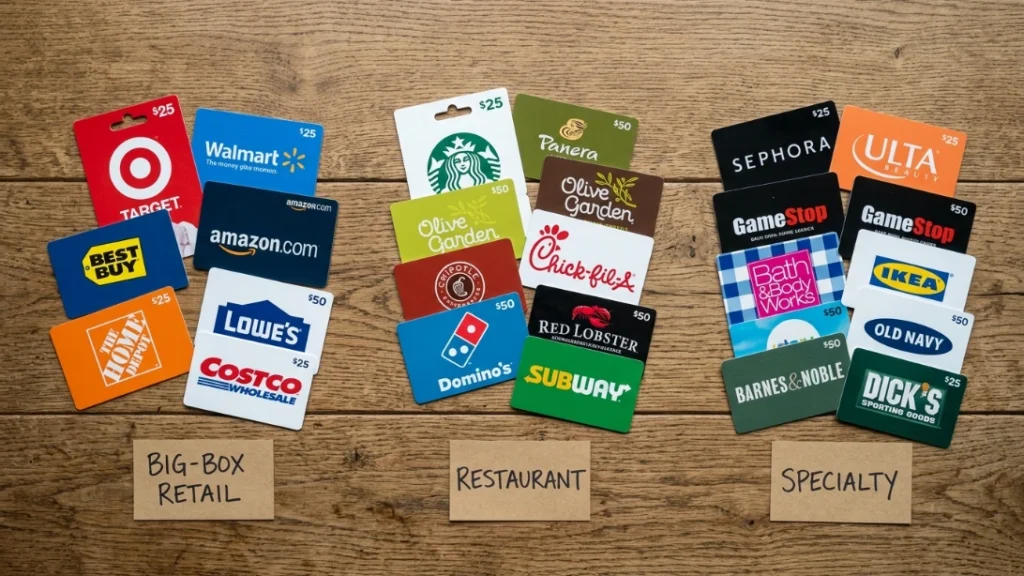
General merchandise and big-box retail cards consistently rank among the fastest-selling and highest-percentage categories, simply because the buyer pool is enormous. Restaurant gift cards sell reasonably well but tend to fetch a somewhat lower percentage, partly because demand is more regionally concentrated. Specialty and niche retailer cards are consistently the hardest category to resell, since the buyer pool who both wants that specific brand and is actively shopping a resale platform is genuinely small. Travel and airline gift cards often carry more restrictions around transferability, worth checking directly with the issuer.
Timing: Does When You Sell Actually Matter
Demand for gift card resale genuinely shifts throughout the year. Demand for popular, high-usability cards tends to climb heading into major gifting seasons, since buyers on resale platforms are often looking to purchase a discounted card as a gift themselves. This timing effect is far more pronounced on marketplace-style platforms than on direct-buy platforms or kiosks, where the payout is set regardless of season.
Common Mistakes That Cost Sellers Real Money
Accepting the very first offer without comparing at least two or three platforms is the most common mistake, since payout percentages genuinely vary between platforms for the identical card. Choosing an in-store kiosk purely out of habit, without a genuine need for instant cash, leaves real money on the table. Selling a card with a balance too small to be worth the platform’s minimum wastes effort better spent elsewhere. Ignoring restrictions or an approaching expiration date until after attempting to sell leads to a rejected sale or unexpectedly low offer.
What to Do With a Card That Genuinely Can’t Be Sold
Regifting a card that’s simply not useful to you but still has meaningful value is a completely reasonable option. Donating a card directly to a cause is another real option, some charitable organizations accept gift card donations directly, and a restaurant or grocery card can have real, immediate impact donated to a shelter or food bank.
I am not a financial advisor and this is not financial advice. If you have a significant number of high-value cards and are unsure about a specific platform’s legitimacy or a tax question related to a large resale amount, talk to a qualified professional.
Does Selling a Gift Card Count as Taxable Income?
Selling a personal gift card you received as a gift, at a loss relative to its face value, which is nearly always the case since resale platforms pay less than face value, generally isn’t treated the same way as reportable income, since you’re recovering less than the original value rather than realizing a gain. This general understanding isn’t a substitute for actual tax guidance, particularly if gift card resale becomes a regular, ongoing activity rather than an occasional decluttering project.
Building a Simple System If This Becomes a Regular Habit
Keep a running list, even something as simple as a note in your phone, of every gift card as it arrives, noting the brand, balance, and whether it’s digital or physical. This turns an occasional stressful decluttering project into a five-minute check twice a year. Once you’ve identified which platforms consistently offer the best returns for the specific brands you tend to receive, sticking with those same platforms saves the comparison-shopping step each time.
Where to Start This Week
To sell unused gift cards safely starting this week, gather every unused gift card you can find, checking wallets, drawers, old email inboxes for digital codes. Sort them by whether they’re digital or physical, and by brand, prioritizing well-known, widely used brands for the platforms offering the best return.
Start with your highest-value, most in-demand cards on an established, well-reviewed marketplace-style platform if you’re not in a rush. For smaller balances or cards you want converted to cash quickly, a direct-buy platform or an in-store kiosk trades some return for speed.
Whatever you do, verify any platform’s legitimacy before sending card details, and treat any unsolicited offer that arrived outside your own deliberate search as a reason for real caution. Whatever cash you recover is a genuinely easy way to pad a starter emergency fund without touching your regular budget at all.
People Also Ask
What’s the best way to sell unused gift cards for the most cash?
A marketplace-style resale platform where you set your own price, combined with a well-known, high-demand brand and a digital rather than physical card, typically nets the highest return, though it requires more patience.
Is it safe to sell gift cards online?
Yes, through established, well-reviewed platforms with a verifiable track record. The real risk concentrates in unsolicited offers and peer-to-peer transactions with strangers.
Do digital or physical gift cards sell for more money?
Digital gift cards typically sell faster and for a higher percentage of face value than physical cards.
What determines how much a gift card is worth when reselling it?
Brand popularity and demand matter most, along with the card’s balance, whether it’s digital or physical, and any restrictions or expiration date.
Is selling a gift card considered taxable income?
Generally not, since you’re typically recovering less than the card’s original face value, but this can vary depending on your specific circumstances.
What should I do with a gift card nobody will buy?
Regifting it to someone who genuinely shops at that brand, or donating it directly to a charitable organization, are both reasonable ways to recover real value.
How quickly can I actually get cash for a gift card?
Direct-buy platforms and in-store kiosks typically pay within a day or instantly, while marketplace-style platforms depend on buyer demand, ranging from same-day to several weeks.
Can I sell a partially used gift card?
Yes, as long as the remaining balance meets a given platform’s minimum threshold, which varies by platform.
What information do I need to provide to sell a gift card safely?
Legitimate platforms typically require the card number and PIN, and sometimes a photo of the physical card. Being asked for information well beyond this is a signal to stop and reconsider the platform’s legitimacy.