

The 2026 federal poverty line for a family of four is $32,150 a year, and the USDA’s own thrifty food plan assumes that same family spends about $950 a month just on groceries. A low income family budget has to work with numbers like these, not against a fantasy of what a “normal” budget looks like, and most frugal living advice online is written by people who have never had to make $950 stretch through a growth spurt and a broken washing machine in the same month.
A realistic low income family budget starts by separating fixed costs, food, and everything else into their own numbers, using real benchmarks like the USDA’s thrifty food plan ($950 to $1,000 monthly for a family of four) rather than vague advice, then applying targeted cuts, government assistance programs, and specific daily habits that add up to real monthly savings without cutting corners on necessities.
What “Frugal” Actually Means When the Budget Is Already Tight
Most frugal living content assumes you have discretionary spending to trim, a streaming subscription here, a coffee habit there. A genuinely tight low income family budget often doesn’t have that padding left. That changes the strategy entirely. Instead of trimming extras, the real leverage points are the assistance programs designed for exactly this income bracket, the biggest line items (food and utilities), and small daily habits that compound over a full year.
According to the USDA’s food plan data, a family of four following the thrifty plan spends roughly $950 to $1,000 a month on groceries, the baseline SNAP benefits themselves are calculated from. That’s the floor most families in this situation are already near, which is exactly why the tips below focus on stretching that number further rather than assuming there’s room to spend more and then cut back.
Food: Where the Real Money Actually Moves
- Build every week’s meals around what’s already in the freezer and pantry before adding anything to the list.
- Buy the store brand for staples (flour, rice, beans, canned goods); the NerdWallet grocery spending guide notes national grocery costs keep climbing, and brand loyalty is one of the few places you fully control the price.
- Cook dried beans instead of canned; the per-serving cost drops by more than half.
- Plan five dinners a week, not seven, and treat the other two as intentional leftovers or pantry-clearing meals.
- Buy whole chickens instead of pre-cut parts and portion it yourself across two or three meals.
- Shop the reduced-for-quick-sale shelf first, then build a meal around whatever’s there.
- Skip pre-washed, pre-cut produce entirely; the convenience markup runs 30 to 50 percent higher.
- Keep a running price-per-unit list for the ten items you buy most, so you actually know what a real deal looks like versus a fake one.
- Batch-cook a big pot of soup or chili on a slow weekend and freeze it in single-meal portions.
- Use powdered milk for baking and cooking, not just for drinking, to cut the dairy line significantly.
- Grow the highest-cost herbs (basil, cilantro) on a windowsill instead of buying them fresh each time.
- Check if your area has a community fridge or food pantry with no eligibility interview required; many operate on a no-questions basis.

Utilities and Housing: The Bills That Compound
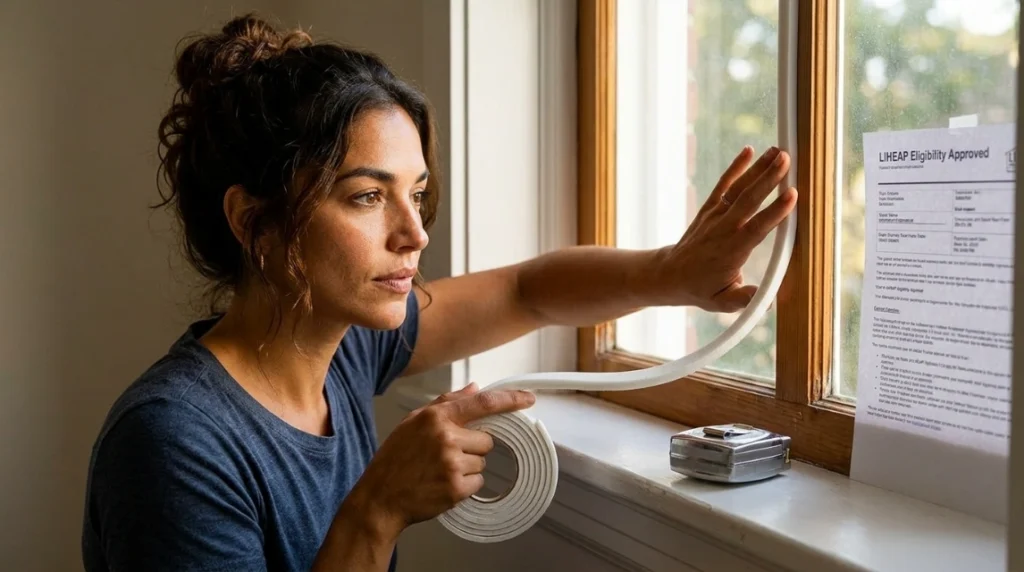
- Apply for LIHEAP before winter starts, not after a shutoff notice arrives; typical benefits run $400 to $1,500 a year and pay your utility provider directly.
- Ask your utility company directly about a low-income discount rate; most major providers have one that isn’t advertised on the homepage.
- Unplug anything with a standby light (game consoles, chargers, cable boxes) when it isn’t in use.
- Wash clothes in cold water as the default, not the exception; most detergents are formulated for it now.
- Air-dry laundry on a rack for at least half your loads to cut dryer runtime.
- Seal window drafts with cheap weatherstripping; a $10 roll can measurably drop a heating bill.
- Set the water heater to 120 degrees instead of the factory default, which is often higher than needed.
- Run the dishwasher only on a full load, and skip the heated dry cycle.
- Ask about a budget billing plan that averages your utility cost across the year instead of spiking in summer and winter.
- Check eligibility for the Weatherization Assistance Program, which provides free home energy upgrades for qualifying households.
Kids and Household: The Costs Nobody Warns You About
- Buy kids’ clothes one size up at end-of-season clearance instead of full price when needed.
- Join a local buy-nothing or swap group for outgrown clothes, toys, and baby gear.
- Check your library for more than books: many now lend tools, games, and even museum passes for free.
- Request the free or reduced school lunch application every year, even if you were denied before; income limits shift.
- Buy diapers and formula in bulk only when a real per-unit discount exists, not just a bigger box.
- Host or attend clothing swaps timed to the school year, when growth spurts hit hardest.
- Use cloth diapers or a hybrid approach if laundry capacity allows; the upfront cost pays back within a few months.
- Check if your state runs a free or subsidized after-school program before paying for childcare hours you don’t need.
Transportation and Everyday Spending
- Combine errands into one trip per week instead of several smaller ones to cut gas spending directly.
- Check tire pressure monthly; underinflated tires can drop fuel efficiency by several percent.
- Use a library card for streaming and audiobook access instead of paying for a separate service.
- Cancel any subscription you haven’t actively used in the last 30 days, checked against your actual bank statement, not memory.
- Call your phone and internet provider once a year and ask directly for a lower rate; many will match a competitor’s price without you switching.
- Use cash for discretionary categories (eating out, small purchases) so the spending is visually obvious as it happens.
- Buy household basics (soap, toilet paper) in the largest size you can store, timed to sales.
- Check for a local Lifeline discount on phone or internet service if your household qualifies.
Building a Small Buffer Anyway
I’ll push back on one common piece of advice here: the idea that emergency savings isn’t realistic on a tight income. It’s harder, not impossible, and treating it as impossible is what keeps a $40 car repair from turning into a $400 problem when it’s paid for on a high-interest card instead.
- Set an automatic transfer of even $5 per paycheck into a separate account; consistency matters more than the amount.
- Use a specific savings goal name (“car repair fund”) rather than a generic “savings” label; people save more toward named goals.
- Deposit any unexpected small windfall (a tax refund, a rebate check) directly, before it enters your regular spending.
- Check if your bank offers a round-up savings feature that rounds purchases to the nearest dollar automatically.
- Treat a paid-off small debt as a signal to redirect that same payment into savings immediately, not as spending room.
Twelve More Habits That Add Up Over a Year
- Batch cook and freeze big-format staples (rice, beans) rather than cooking small portions repeatedly.
- Buy generic medication instead of brand name; the FDA requires identical active ingredients.
- Use a programmable thermostat, even a cheap manual one, instead of adjusting the temperature by feel.
- Check your state’s specific utility assistance programs beyond LIHEAP; many run larger than the federal program itself.
- Request a bill review from your insurance provider once a year; rates change and loyalty rarely earns a discount.
- Buy household tools and appliances secondhand for anything used infrequently (a drill, a slow cooker).
- Track every expense for one real month before cutting anything; you can’t fix a leak you haven’t found yet.
The Programs Most Families Miss
A low income family budget gets meaningfully easier once the assistance programs designed for this exact income range are actually in use, not just known about. LIHEAP alone reached close to 6 million households in 2026 with a program that pays your utility provider directly and never needs to be repaid. According to Census Bureau income and poverty data, income eligibility for many federal assistance programs is calculated directly off the federal poverty guidelines, which means qualifying often changes year to year as those thresholds shift, so it’s worth rechecking eligibility annually even after a prior denial.
If a slow spending leak is part of what’s straining your numbers beyond food and utilities, our guide to finding a spending leak walks through a simple one-week audit that catches costs most households don’t notice they’re carrying. And if the bigger goal underneath all of this is building real breathing room, not just surviving the month, our honest guide to emergency funds covers what a realistic first target actually looks like on a tight income.
I am not a financial advisor and this is not financial advice. For your specific situation, especially around benefit eligibility or debt decisions, talk to a local Community Action Agency or a qualified financial counselor.

People Also Ask
What is a realistic grocery budget for a low income family of four?
The USDA’s thrifty food plan puts a family of four at roughly $950 to $1,000 a month, and this is the same benchmark SNAP benefits are calculated from. A low income family budget built around this number, rather than a national average that assumes more spending room, gives a more realistic starting target.
Does LIHEAP cover the full utility bill?
No. LIHEAP benefits typically run $400 to $1,500 a year depending on household size, income, and state, and the program pays your utility provider directly rather than covering the entire annual cost. It’s designed to reduce the burden significantly, not eliminate it, which is why pairing it with usage-reduction habits still matters for a tight low income family budget.
Which frugal living tips actually save the most money for a low income family?
The highest-impact tips are usually the ones tied to fixed monthly costs, not daily habits: applying for LIHEAP, requesting a utility discount rate, and reviewing your grocery plan against USDA benchmarks typically save more per month than cutting small discretionary purchases, because fixed-cost changes repeat automatically every month without ongoing effort.
How do I know if I qualify for utility or food assistance programs?
Eligibility for most programs, including LIHEAP and SNAP, is based on your household income relative to the federal poverty guidelines, generally at or below 150 percent of the poverty line, though some states use a different threshold. Since these limits shift, it’s worth reapplying or rechecking even if you were denied in a previous year.
Start With the One Number You Don’t Know Yet
Pick one category, groceries, utilities, or fixed bills, and find out this week what the real government benchmark for your household actually is, rather than guessing. Most families discover they’re already close to the realistic floor in one category and have real room to move in another, and that single piece of information changes which of these 50 tips is worth doing first.
A low income family budget isn’t a smaller version of a comfortable one. It’s a different set of tools entirely, and most of them work better than the generic advice built for someone with room to spare.