
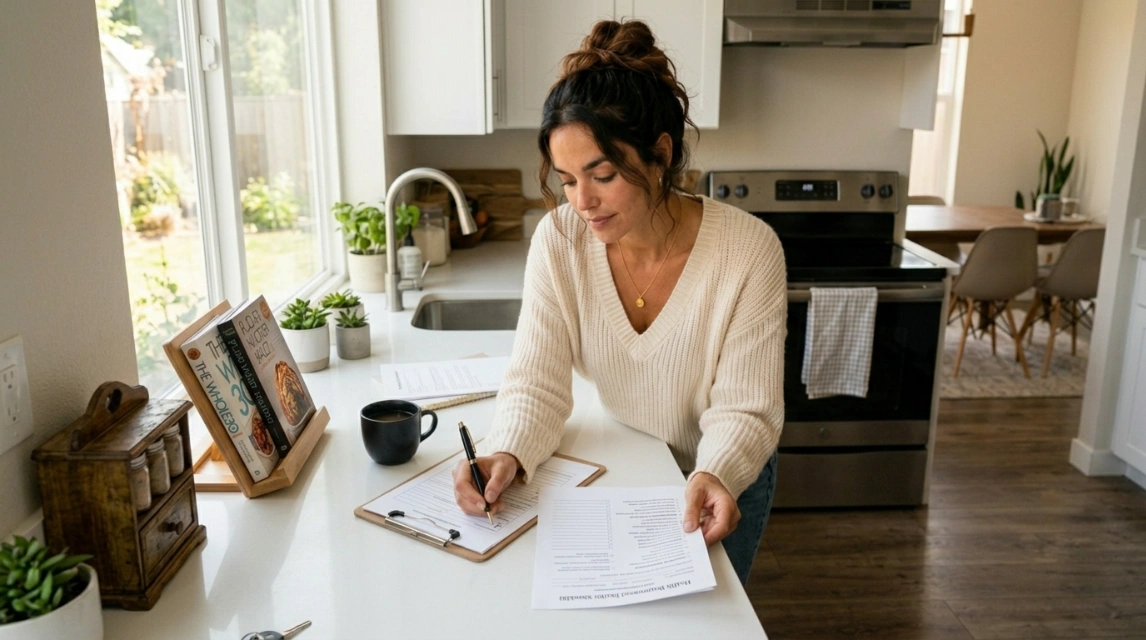
Most people planning to start a salad bar assume the hard part is the menu. It isn’t. The hard part is the permit stack, and almost nobody budgets time or money for it correctly.
If you’re a woman in 2026 looking at a salad bar as your next business, whether you’re coming out of restaurant management, scaling up a meal-prep side hustle, or just tired of working for someone else’s margins, the food itself is the part you probably already have handled.
What trips people up is everything standing between a good concept and a legally open door: health department approval, a commercial kitchen that passes inspection, a specific set of equipment rules that most general small-business guides never mention, and the insurance conversation most new owners don’t even know to start until a landlord asks for proof of it. This is the actual roadmap to start a salad bar business, not the inspirational version.
The fastest path to start a salad bar is to secure a health department food service permit before you sign a lease, build out a kitchen that meets your state’s retail food code, and register your business structure and EIN in parallel. Most delays come from doing these steps in the wrong order, not from any single step being difficult on its own.
What It Actually Takes To Start A Salad Bar
There isn’t one federal license that lets you start a salad bar business anywhere in the country. Food service is regulated primarily at the state and local level, which means your actual checklist depends on your city and county, not a national template. That said, nearly every jurisdiction requires the same core stack: a business structure and EIN, a general business license, a food service permit from your local health department, and proof that your kitchen space meets your state’s retail food code.
This is where a lot of new owners waste months. They find a location and sign a lease first, assuming permits are a formality that happens afterward. It’s the reverse. A health inspector needs to approve the space itself, the layout, the sinks, the refrigeration, before you’re allowed to prepare or serve food there. Signing a lease on a space that can’t pass inspection, or that would need a five-figure buildout to pass, is the single most expensive mistake in this entire process, and it’s completely avoidable by calling your local health department before you sign anything.
Registering Your Business Before You Start A Salad Bar
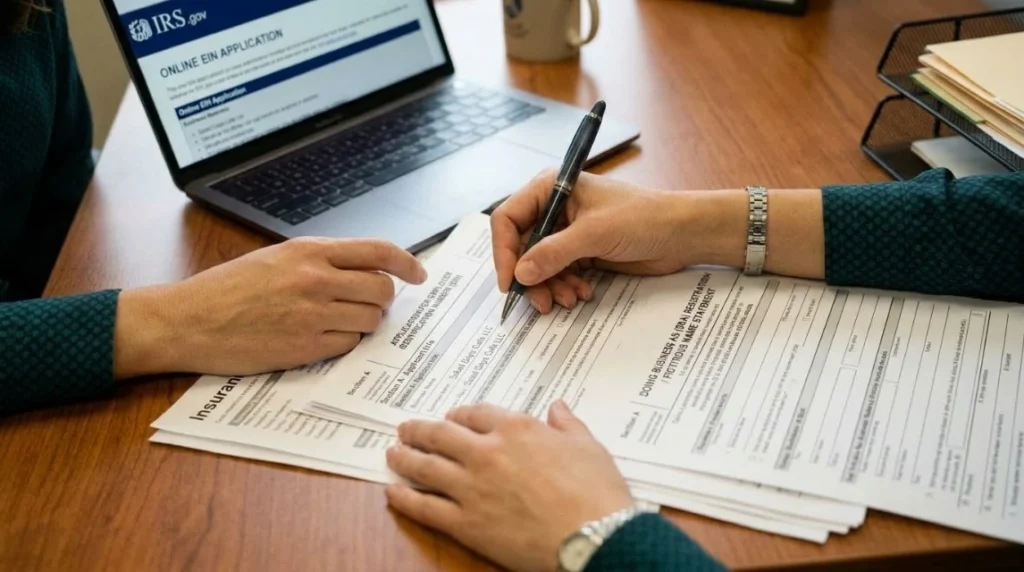
Handle your business registration in parallel with your permit research, not after it. According to the U.S. Small Business Administration, virtually every business needs some form of license or permit to operate legally, and requirements vary by business type, location, and the specific government rules that apply in your area.
Practically, this means choosing a business structure, usually an LLC for liability protection given you’re handling food, applying for a federal EIN, and registering a DBA if you’re operating under a name other than your own. None of this is unique to a salad bar business. What is specific to food service is layered on top: your local health department permit, and in most states, food handler certification for you and anyone working the line.
The Health Code Details Nobody Mentions
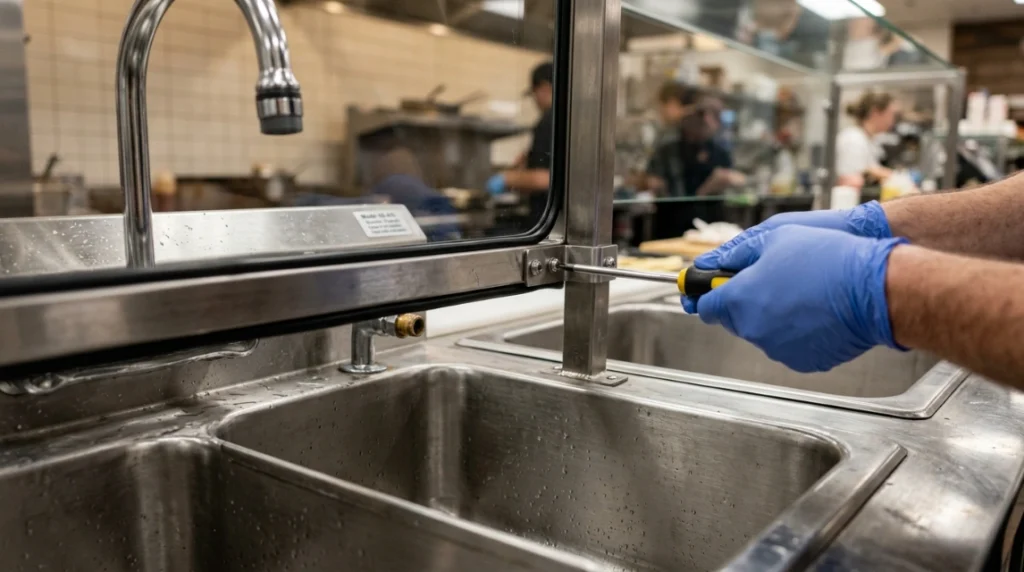
A salad bar has equipment requirements that a standard commercial kitchen setup doesn’t automatically satisfy, because self-service or line-service cold food display carries its own risk profile. Massachusetts’s state sanitary code, for example, specifically requires a salad bar to be mechanically refrigerated with a food shield, commonly called a sneeze guard, that meets National Sanitation Foundation standards, plus a dedicated two-compartment sink with hot and cold water for washing and sanitizing utensils.
Many states follow similar retail food code standards, though the exact wording varies, so confirm the specifics with your own state’s health department rather than assuming one state’s rule applies everywhere.
A food shield is the clear barrier positioned over a self-service food display that keeps customers from breathing, coughing, or reaching directly over open food, and it’s one of the most commonly cited items in salad bar inspections when it’s installed at the wrong height or width. Beyond the shield, expect requirements around ice-drainage systems for chilled containers, hand-washing stations separate from food prep sinks, and temperature logs you’ll need to maintain daily once you’re operating.
What This Actually Costs To Start A Salad Bar
Health department permit fees, EIN registration, and business licensing typically run in the low hundreds of dollars combined, though this varies significantly by city and county. The real cost driver isn’t the paperwork, it’s the buildout: commercial refrigeration, a compliant hand-washing setup, and a code-compliant food shield can run into the thousands depending on whether your space already has commercial-grade plumbing and electrical, or needs it added.
This is exactly why calling the health department before signing a lease matters so much financially. A space with existing commercial kitchen infrastructure can cut your startup buildout costs dramatically compared to a raw retail space that needs plumbing and ventilation added from scratch. If your budget is tight, a licensed shared-use or commissary kitchen is worth investigating before you commit to your own leased space, since it lets you start a salad bar on a smaller footprint while you prove the concept.
Who this isn’t for: if you’re not ready to handle daily temperature logs, routine health inspections, and the ongoing cost of certified food handlers on staff, a lower-commitment format like a meal-prep delivery business or a farmers market stand may be a better first step before you take on a full salad bar buildout.
Insurance Before You Start A Salad Bar
General liability insurance and product liability coverage are two policies most new owners underprice when they budget to start a salad bar. Product liability specifically protects you if a customer becomes ill and traces it back to your food, which is a real exposure for any self-service format where ingredients sit out for hours at a time. Most commercial landlords will also require a certificate of general liability insurance before handing over keys, so this isn’t optional even if you wanted to skip it.
A realistic starter checklist looks like this. Business structure and EIN, filed before anything else. A location that already has, or can affordably add, commercial-grade plumbing and ventilation. A food service permit application submitted to your local health department, with your equipment plan attached. General liability and product liability insurance quotes gathered before you sign a lease, not after. Food handler certification scheduled for yourself and any early hires. Each of these can move in parallel, which is exactly how you start a salad bar business in a matter of weeks instead of months.

People Also Ask
Do I need a special license to start a salad bar, or does a regular restaurant license cover it?
In most jurisdictions, a standard food service permit covers a salad bar format, but the equipment your space must have, refrigerated display, a compliant food shield, specific sink setups, is often called out separately in state retail food codes. Confirm with your local health department before finalizing your equipment plan, since this single check is what separates a smooth opening from a costly last-minute redo.
How long does it take to start a salad bar from lease to opening day?
Timelines vary by city, but health department review and any required buildout inspections commonly take several weeks to a few months after you secure a space, particularly if any construction or plumbing work is needed to meet code. Starting your permit research before signing a lease is what most shortens this timeline.
Can I start a salad bar from a shared or commissary kitchen instead of my own space?
Yes, in many areas a licensed shared-use kitchen is a legitimate way to start a salad bar with a smaller upfront investment, provided the kitchen itself is properly permitted and you meet any additional requirements for self-service display equipment at your actual selling location.
What’s the biggest mistake people make when they try to start a salad bar?
Signing a lease before confirming with the health department that the space can pass inspection for the equipment a salad bar specifically requires. This single ordering mistake accounts for the most expensive and time-consuming setbacks in the entire process.
Call The Health Department Before You Call A Landlord
None of the steps to start a salad bar are individually difficult. A business structure, an EIN, a food service permit, and a code-compliant kitchen are all achievable in a matter of weeks when they’re handled in the right order.
Before you tour a single storefront, call your local health department and ask what a salad bar setup specifically requires in your jurisdiction, since the answer is what actually shapes your plan to start a salad bar business here. That one call, made before you call a landlord, is what actually determines whether starting a salad bar takes two months or six.