
The secondhand resale market is on track to roughly double by 2027, based on industry resale market analysis, moving toward figures in the hundreds of billions globally. Most people walking through a thrift store have no idea that number exists, let alone that it applies to the dusty rack three feet in front of them.
That gap between what a thrift store charges and what the resale market will actually pay is where thrift flipping items become a real income source instead of a hobby. This guide is built for moms, single moms, and teen girls in 2026 who want a categorized, honest map of what to buy, what to skip, and where each category actually sells best. I’m Maya Collins, writing for PennyToPower.com, and this is a research-driven breakdown, not a guaranteed-income promise.
[DIRECT ANSWER BLOCK] The most profitable thrift flipping items fall into a handful of repeatable categories: brand-name and vintage clothing, footwear, designer bags and accessories, vintage kitchenware, and select collectibles. Each category sells best on a different platform, and treating them the same way is the single most common mistake new resellers make.
What Most People Get Wrong Before They Ever Set Foot In A Thrift Store
Most new resellers walk in with no plan. They browse everything, buy whatever looks interesting, and hope something sells. That approach burns time and money fast.
A smarter starting point treats thrift flipping items the way a buyer treats inventory, not the way a shopper treats a Saturday afternoon. That means picking one or two categories to actually learn, instead of trying to become an expert in clothing, electronics, and collectibles all at once in week one.
There’s also a widespread myth that brand name alone determines value. It doesn’t. A basic cotton polo from a recognizable label is often a low-margin item, while the same brand in an unusual size or a premium fabric can be worth several times more. Material, condition, and demand matter more than the logo by itself. Touch is often a better first filter than the tag: heavyweight canvas, real wool, and sturdy stitching tend to signal quality even before a brand is confirmed.
The last mistake is ignoring math entirely. A good general rule, echoed across reseller research, is only buying items you can realistically resell for at least three times what you paid, once fees and shipping are factored in. Skip that step, and even a full cart of interesting finds can turn into a net loss.
Thrift Flipping Items: The Categories Worth Building Around
Not every category performs the same, and trying to master all of them at once is how most beginners burn out. Here’s a categorized breakdown of where the real margin tends to sit.
Clothing, Shoes, and Accessories
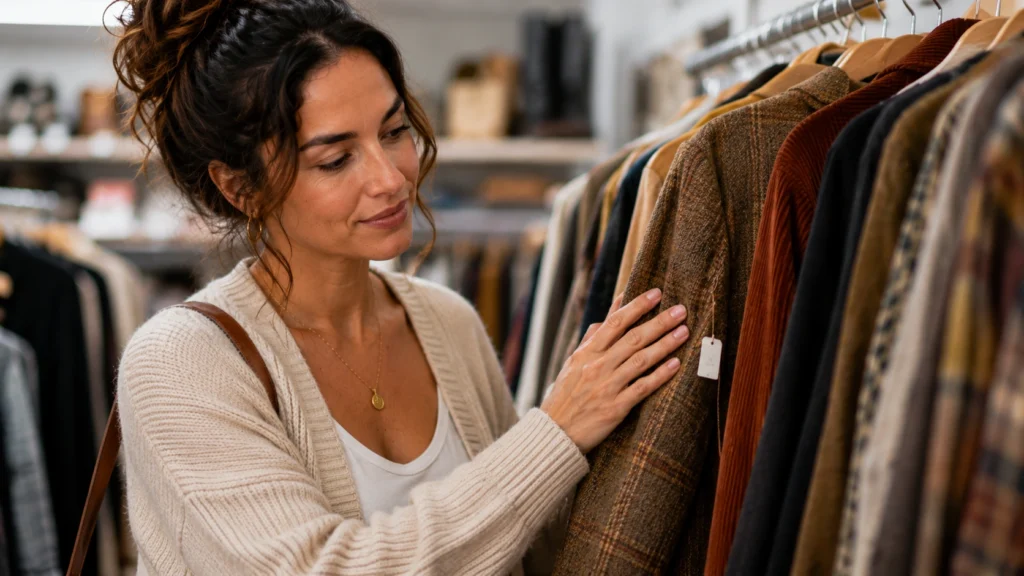
Clothing remains the largest and most accessible category for thrift flipping items, mainly because supply is constant and demand never really pauses. Designer and premium labels like Anthropologie, Lululemon, Patagonia, and Citizens of Humanity consistently resell well. One reported example: a New York With Tags Anthropologie dress priced around $7 at a thrift store resold within a day for roughly $45, an illustration of the kind of markup this category can produce on the right find.
Vintage clothing deserves its own attention inside this category. Y2K-era pieces, vintage denim (Levi’s 501s and the older orange-tab styles in particular), and band t-shirts from the 80s and 90s carry strong demand among younger buyers, which makes this a natural entry point for teen resellers working the same platforms their peers already shop on.
Sizing is an underused lever here too. A standard mid-size garment from a recognizable brand is often a low-margin commodity because so many other resellers list the same size. Big and Tall sizing (3X and above) in the same brands tends to sell at a real premium, simply because quality secondhand options in that range are harder to find. The same logic applies to fabric: a basic cotton piece might move for a modest amount, while the same brand in silk or linen regularly commands two to three times more.
Footwear often outperforms clothing on margin, mostly because shoes are more durable and easier to clean and photograph well. Athletic and hiking brands like Hoka, On, Brooks, Asics, and Merrell move consistently. Specialty categories, Dr. Martens (especially vintage pairs made in England), Birkenstocks, and quality leather boots from brands like Filson or Ariat, tend to hold value even with visible wear, since buyers expect some character in secondhand leather.
Accessories round out this category. Designer handbags from Coach, Kate Spade, and Michael Kors can resell for several times their thrift price, and authenticity matters more here than almost anywhere else: check stitching consistency, hardware weight, and interior labeling before buying. Hats are an easy category to overlook entirely. A distinctive brand like Akubra can sometimes be found for close to nothing in an accessory bin and resell for well over ten times that.
Home, Kitchen, and Collectible Categories
Vintage kitchenware is a quieter category, but a reliable one. Patterned vintage Pyrex, working KitchenAid stand mixers, and Le Creuset cookware all carry dedicated collector demand. A KitchenAid mixer picked up for a modest price, even with minor cosmetic wear, can resell for several times that once cleaned and tested.
Mid-century home decor, starburst clocks, teak accessories, gilded mirrors, gets consistent attention from buyers chasing a specific aesthetic that current retail doesn’t sell new. This is a category where presentation does a lot of the selling; a well-lit photo of a decor piece against a neutral background often outperforms a cluttered thrift-store shelf photo by a wide margin.
Collectibles are the highest-variance category on this list, and worth naming honestly rather than hyping. Vintage electronics (record players, older stereo receivers, certain film cameras), retro gaming systems, and select vintage toys can produce standout profits, but they also require the most specialized knowledge to evaluate correctly. A broken or incomplete collectible isn’t automatically worthless either; parting it out into individual components sometimes nets more than a single intact sale would, since collectors buying to complete their own sets will pay a premium for the specific piece they’re missing.
Where To Resell Each Category Without Losing Your Margin To Fees
Picking the right platform matters almost as much as picking the right item, because fee structures and buyer expectations vary sharply by platform.
Depop tends to work best for teen and Gen Z-facing thrift flipping items, particularly Y2K and vintage streetwear. It’s a style-driven marketplace, buyers search aesthetic terms rather than technical specs, which means a well-styled unbranded piece can outsell a branded one with weak visual appeal. Its fee structure is also generally more seller-friendly than some competitors, which matters when margins are already tight on lower-priced items.
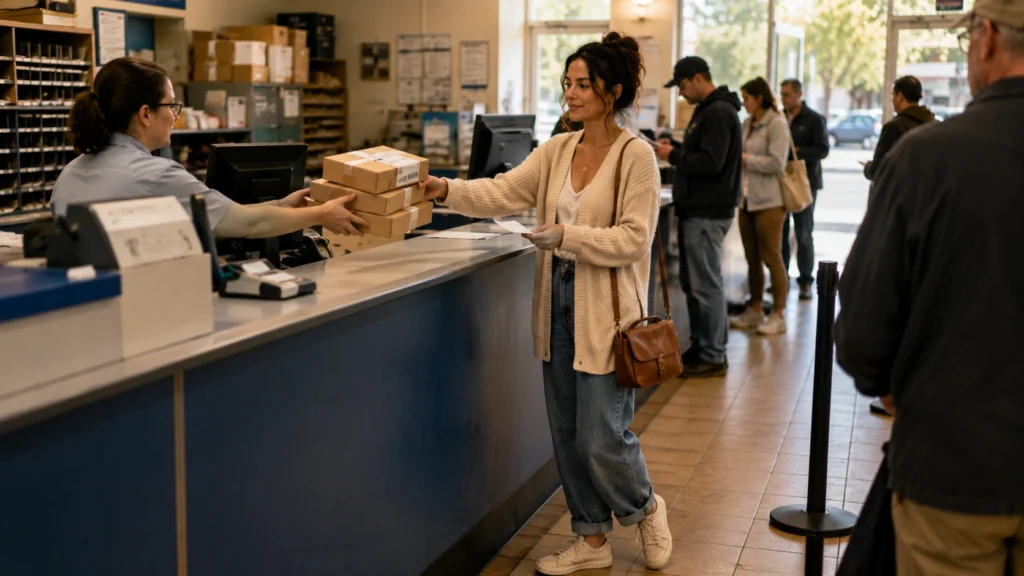
Poshmark leans toward moms and women building a curated closet of brand-name clothing and accessories. Its social, follow-based structure rewards consistency and a recognizable personal “shop” more than any other platform on this list.
eBay remains the default for anything spec-driven: electronics, collectibles, vintage toys, and hard-to-find items where buyers are searching by model number rather than style. It’s also the best place to research “sold” pricing before you buy, using the app in-store to check completed listings for similar items before committing.
Facebook Marketplace is the practical choice for anything large, furniture, bulky home decor, since local pickup eliminates the shipping problem entirely. For local sales specifically, meeting in a public, well-lit location and avoiding sharing personal information isn’t optional caution, it’s basic safety.
For internal reference on the income side of this equation, a real income story from a similar starting point walks through what a working month can actually look like once a category and platform are locked in.
The Categories That Actually Work Best When You’re Starting Out
Out of everything above, three categories consistently make the most sense for someone starting from zero.
Clothing is the obvious first pick, mainly because you already know how to evaluate fit and fabric on yourself, which shortcuts a lot of the learning curve. Start with brands you already wear.
Footwear is the second-strongest starting category, since shoes are relatively easy to photograph, ship, and evaluate for condition without specialized knowledge.

Vintage kitchenware is the underrated third option, particularly for moms already comfortable in a kitchen. It requires less trend awareness than clothing and less technical evaluation than electronics or collectibles, while still carrying strong dedicated demand.
If you’re weighing where else to put a small amount of starting capital, these beginner-friendly side income ideas cover several starting points beyond thrifting specifically, useful context if reselling ends up being one piece of a larger income plan rather than the whole plan.
The Hard Numbers: What A Real Flip Actually Nets You
Here’s the actual math behind a flip, walked through step by step, using rounded figures pulled from the categories above rather than any single guaranteed outcome.
Step one: the purchase price. Say a piece of vintage denim costs $8 at the thrift store.
Step two: the realistic resale price. Based on reported ranges for similar vintage denim, a fair resale target sits around $40.
Step three: subtract platform fees. Most resale platforms charge somewhere between 10 and 20 percent of the sale price, depending on the platform. On a $40 sale at a 15 percent fee, that’s roughly $6 gone before shipping.
Step four: subtract shipping, if the buyer isn’t covering it. This varies widely by item weight and size, but a few dollars is typical for lightweight clothing.
Step five: what’s left. On this example, the net profit lands somewhere around $23 to $28, depending on exact fees and shipping arrangements, still well above the “three times your cost” benchmark that keeps a reselling habit profitable rather than just busy.
That same math applies at a category level, not just an item level. Someone building a full month of thrift flipping items across clothing and footwear, moving even a modest number of pieces weekly, is working toward the kind of monthly totals reported by more experienced resellers, some in the hundreds of dollars, some considerably higher for those treating it as a near-full-time effort. Those higher figures are real but not typical starting-point outcomes, and building toward them takes months of consistent sourcing and listing, not a single weekend.
I am not a financial advisor and this is not financial advice. For your specific situation, especially once resale income becomes consistent enough to matter at tax time, talk to a qualified professional; the IRS has general guidance on reporting self-employment income that’s worth reading early rather than after a full year of unreported sales.
How To Actually Find These Items Before Someone Else Does
Sourcing well is the difference between a profitable weekend and an empty one.
Location matters more than most new resellers expect. Thrift stores in higher-income neighborhoods tend to receive higher-quality donations on average, simply because the donated items started out more expensive. Timing matters just as much: weekday mornings, right after new inventory typically hits the floor, mean less competition and a genuinely first-come selection.
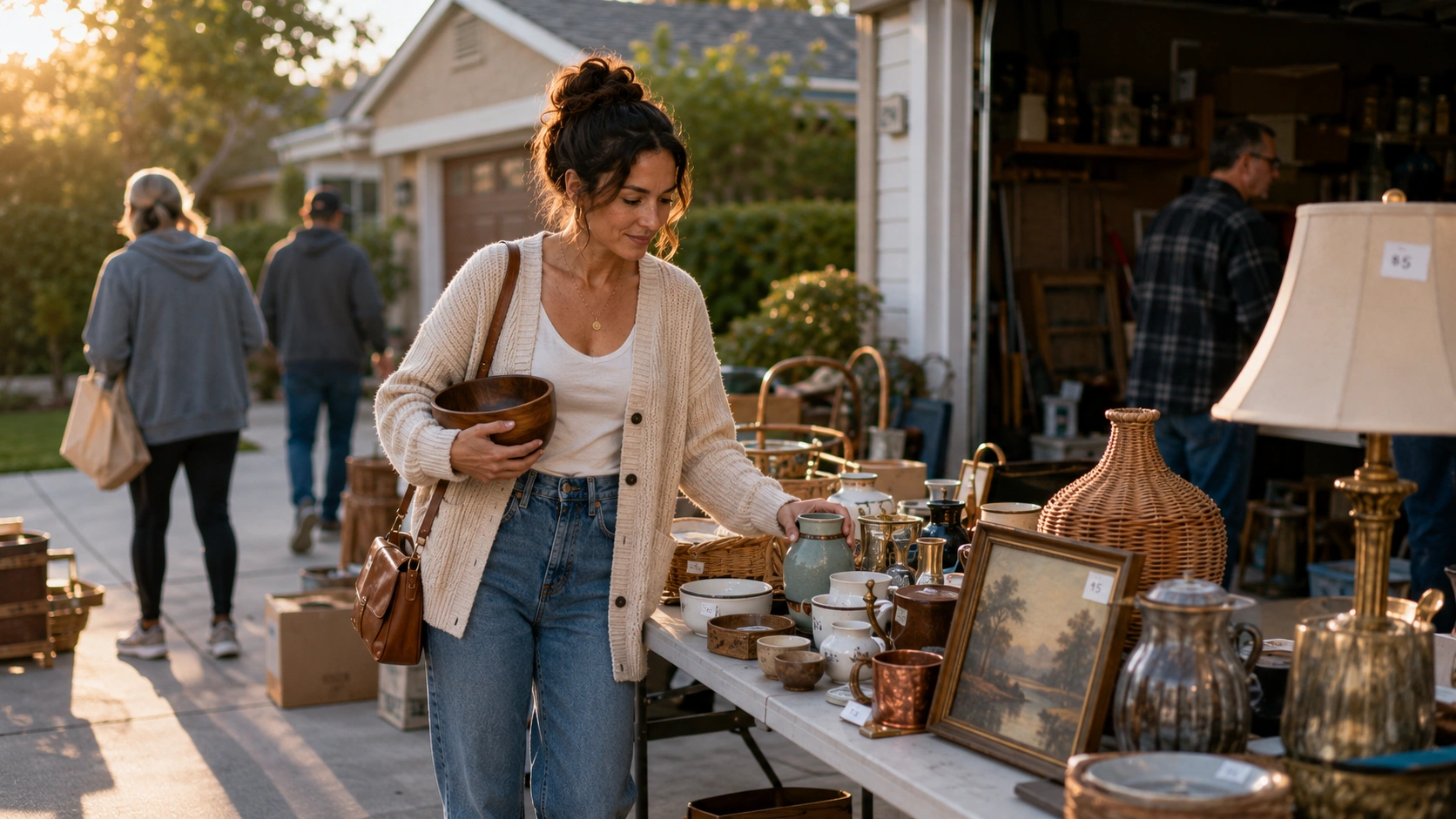
Beyond traditional thrift stores, estate sales (especially on their final day, when prices drop sharply), garage sales, church rummage sales, and college move-out days are all worth adding to a regular sourcing rotation. These sources often carry less picked-over inventory than a daily-donation thrift store simply because fewer resellers show up consistently.
In the store itself, the “touch test” beats scanning for logos. Heavy, dense fabric, sturdy stitching, and substantial hardware weight are quality signals that show up before a brand tag ever does, useful for moving fast through a new rack where other shoppers are grabbing quickly too. Checking “sold” listings on a phone, right there in the aisle, before committing to a purchase, turns a guess into an actual decision.

One year-round habit worth building early: don’t wait for matching weather to buy seasonal items. Resale platforms have no geographic borders, someone somewhere is shopping for a winter coat in July, and buying heavy items during their local off-season, when thrift prices are lowest, is a consistent way to improve margins across the year.
Where To Start
If clothing feels like the natural fit, start with brands already sitting in your own closet, since you already know how they fit and feel before you ever pick one up secondhand. If a full closet audit sounds overwhelming, start smaller: pick one category from this list, learn its top three or four brands, and give yourself one month before adding a second category.
Either path works. What doesn’t work is trying to master every category on this list at once. Thrift flipping items reward focus far more than they reward volume, especially in the first few months.
People Also Ask
What are the most profitable thrift flipping items for beginners?
Clothing and footwear from recognizable brands, along with vintage kitchenware, tend to be the most beginner-friendly thrift flipping items. They require less specialized authentication knowledge than designer bags or collectibles, while still carrying strong, consistent resale demand.
How much money do I need to start thrift flipping?
Most guidance in this space suggests starting with $20 to $50 and one category you already understand well. That’s enough to buy a handful of test pieces, learn what actually sells at your local stores, and reinvest the profit into a slightly larger next round.
Which resale platform is best for thrift flipping items?
It depends on the category. Depop tends to suit trendy, vintage, and Y2K-style clothing best. Poshmark works well for curated brand-name closets. eBay remains strongest for spec-driven items like electronics and collectibles, and Facebook Marketplace is the practical choice for large furniture or home decor.
Do I have to report thrift flipping income on my taxes?
Once reselling produces consistent income rather than the occasional garage-sale-style cleanout, it generally needs to be reported as self-employment income. This isn’t tax advice for your specific situation, so it’s worth reviewing IRS guidance on self-employment reporting or talking to a tax professional once sales become regular.
How do I know if a thrift store item is actually worth buying?
Check the fabric or material quality by touch first, then research completed “sold” listings for similar items on the platform you plan to sell on. A commonly cited rule of thumb is only buying items you can reasonably resell for at least three times what you paid, once fees and shipping are factored in.






One Comment