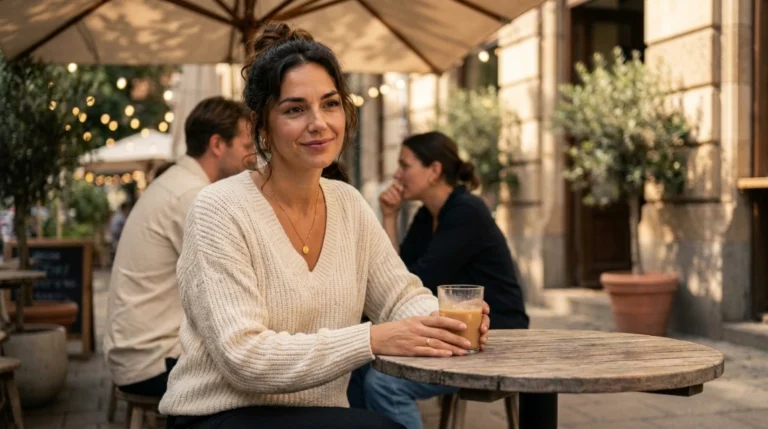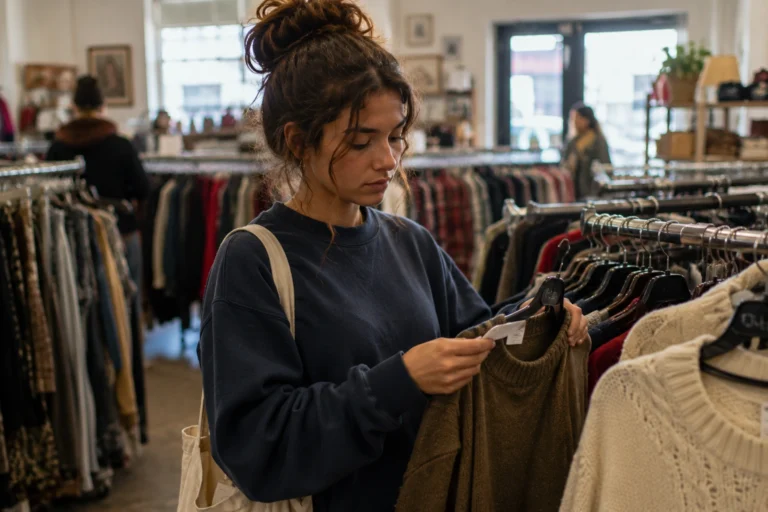

A budget poetcore wardrobe starts with layering, not spending. Poetcore is the aesthetic built from romantic silhouettes, literary nostalgia, and soft, muted earth tones, cream, navy, brown, burgundy, the softer, more emotional sibling to dark academia rather than a replacement for it. Soft girl aesthetic overlaps with it closely, leaning slightly more pastel and a little less literary, but both share the same underlying idea: clothes that feel like an inner world instead of a performance.
This is written for teen girls and young women in 2026 who love the look of both aesthetics but are working with a student or entry-level budget, not a fashion editor’s clothing allowance. It covers what the trend actually requires, what it realistically costs, and how to build it slowly without a single expensive haul.
A budget poetcore wardrobe combines a handful of secondhand foundational pieces, a blazer, a collared blouse, a pleated skirt, a cardigan, and one vintage-style accessory, layered intentionally rather than bought all at once. Built through thrifting and careful color coordination, a full capsule typically costs far less than fast fashion trend-chasing, often under $100 total.
What Poetcore and Soft Girl Aesthetic Actually Mean
Here’s the belief that trips people up first: that these looks require designer literary props, a specific brand of tote bag, a particular notebook, an actual library card photographed just so. None of that is true, and chasing it is how a budget capsule quietly turns into an expensive one.
What the aesthetic actually asks for is texture and softness. A knit sweater layered over a blouse with structure at the collar. A blazer with some visible age to it, a little worn at the elbows, which reads as intentional rather than sloppy. Muted, coordinated colors instead of loud ones. None of that requires anything new. If anything, it prefers things that already have some history, since secondhand pieces carry exactly the texture and character the whole look is built around.
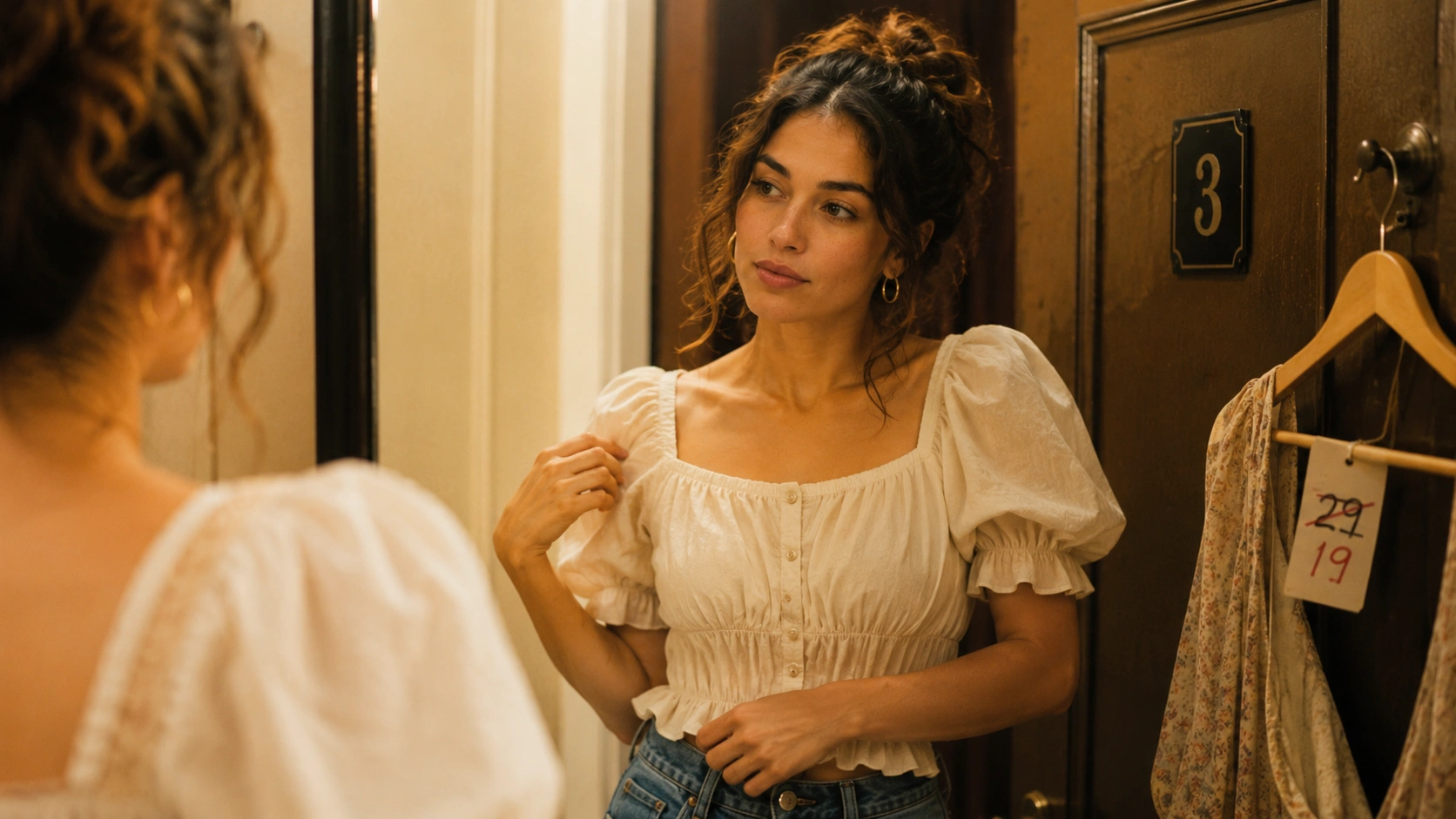
Soft girl aesthetic sits right next to poetcore on the same shelf, sharing the softness and the femininity but leaning a touch more pastel and a little less bookish. Most closets can borrow from both without the two looks fighting each other.
The Hard Numbers on a Full Poetcore Capsule
Here’s the number worth knowing before anything else: a complete poetcore capsule, built almost entirely secondhand, typically runs somewhere under $100 total, general estimate, not a cited statistic.
That number holds up because the pieces that matter most, a blazer, a collared blouse, a pleated skirt, a cardigan, one vintage-style accessory like a brooch or a ribbon, are exactly the kind of items secondhand shops carry constantly and rarely mark up much, since they aren’t currently trending in most resale inventory yet. A single new “literary aesthetic” blazer from a trend-chasing retailer can easily cost more than that entire capsule combined.
Before spending on any piece, it’s worth asking whether it’s actually worth the hours behind the money. Price the change before you make it using the real hourly wage calculator, a quick way to see what a purchase actually costs in terms of your own work hours, not just its price tag.
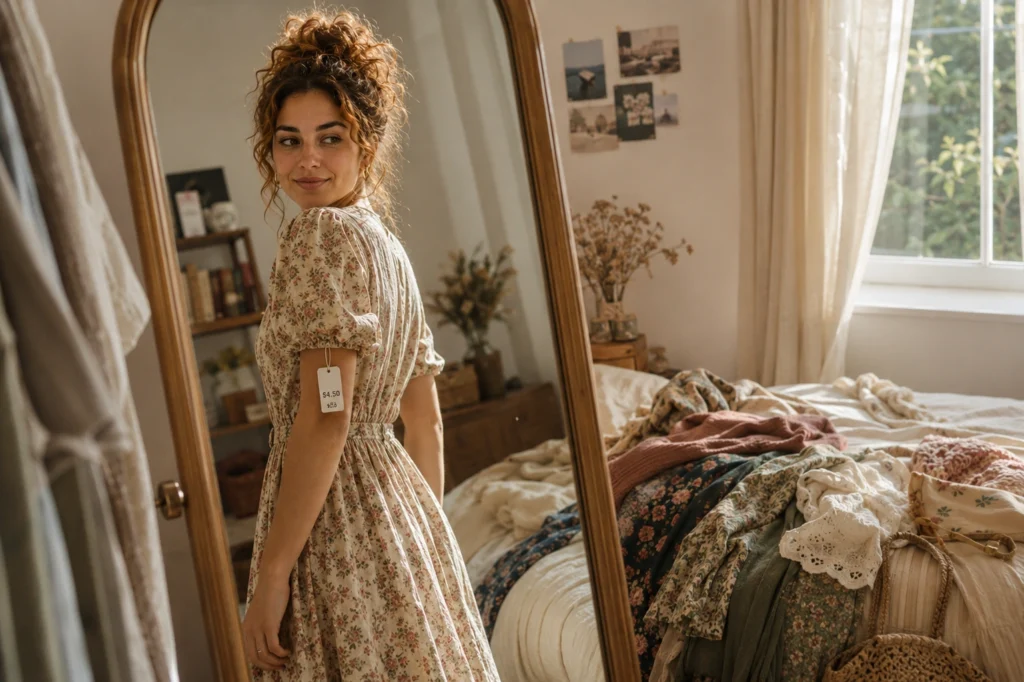
I am not a financial advisor and this is not financial advice. For your specific budget and situation, decide what you can actually afford before building any capsule, secondhand or otherwise.
Building a Budget Poetcore Wardrobe, Piece by Piece
A real capsule holds up because a small number of pieces do most of the work, layered in different combinations rather than worn the same way every time.
The Five Pieces That Do Most of the Work
Start with a blazer in a muted color, brown, navy, or a soft plaid. Add a collared blouse, ideally with some structure at the neck rather than a plain crew neck. A pleated skirt in a coordinating tone does more outfit-building work than almost anything else in the capsule. A cardigan, oversized and soft, layers over nearly everything else on the list. Finally, one vintage-style accessory, a brooch, a ribbon, a small locket, adds the literary detail that makes the whole look read as intentional rather than accidental.

Five pieces sounds small. In practice, that’s closer to a dozen different outfit combinations once you start mixing them, which matters far more for a tight budget than owning twenty unrelated items.
Where to Actually Find Them Without Overspending
Secondhand shops, thrift stores, and resale apps are where a budget poetcore wardrobe actually gets built. None of these five pieces need to be new, and in most cases the aesthetic looks better with some visible age on it.
Thrifting with intention, looking specifically for structure and texture rather than just browsing for anything cheap, turns the process into its own kind of skill. Turning thrift finds into something worth more covers exactly that kind of intentional, resourceful shopping in more depth, including how to spot pieces worth a small amount of alteration.
Making It Feel Like You, Not a Costume
The line between “wearing an aesthetic” and “wearing a costume” is thinner than it looks, and it comes down to one thing: whether the pieces feel like yours or feel borrowed from someone else’s mood board.
Pick colors that already suit your skin tone and that you already reach for, rather than copying a palette exactly because it photographed well online. Wear the blazer with your own worn-in jeans sometimes instead of only with a full, matched outfit. Let one piece feel slightly wrong on purpose, an accessory that’s a little too bold, a color that doesn’t perfectly match, since perfection is what makes an aesthetic start to feel like a costume instead of a personality.
If quiet, minimal styling feels more like your actual taste than literary romanticism does, that’s worth exploring too. Building a teen budget that still feels like you applies the same underlying capsule logic to a completely different aesthetic, in case poetcore turns out to be only part of the answer.
Where to Start This Weekend
Start with one piece, not five. A cardigan is usually the easiest entry point, since it layers over almost anything already in your closet and does the most work for the least cost. Add the blazer next, then build outward from there over a few weekends rather than one big trip.
Someone will eventually say this trend won’t last, that poetcore will fade the way every aesthetic eventually does. That’s probably true, and it doesn’t matter. A cardigan and a blazer built from secondhand pieces still work as clothes long after the label stops trending, which is worth more than chasing whatever replaces it next.
People Also Ask
A few questions come up constantly around this particular aesthetic.
What is poetcore aesthetic and how is it different from soft girl style?
Poetcore centers on romantic silhouettes, literary nostalgia, and muted earth tones like cream, navy, and burgundy. Soft girl aesthetic overlaps closely but leans more pastel and less literary. A budget poetcore wardrobe can usually borrow pieces from both without much conflict.
How much does it cost to build a poetcore wardrobe on a budget?
A full capsule built mostly secondhand typically costs under $100 total, general estimate, covering a blazer, collared blouse, pleated skirt, cardigan, and one vintage-style accessory, far less than buying similar pieces new from a trend-focused retailer.
Where’s the best place to find poetcore pieces without overspending?
Thrift stores, secondhand shops, and resale apps consistently carry the structured, textured pieces this aesthetic is built around, often at a fraction of new retail price, especially since the look isn’t yet heavily reflected in most current resale inventory.
Will the poetcore trend still be relevant next year?
Trend cycles are unpredictable, and no aesthetic lasts forever. What does last is a well-built capsule of secondhand basics, which continues to work as clothing long after any specific label stops trending.