

Turo’s own marketing says the average host earns $10,489 a year. That number is real. It’s also the gross figure, before Turo’s cut, before insurance, before the oil change your car needed anyway but definitely needed sooner because someone else was driving it four days a week.
Renting out your idle car is a genuinely legitimate way to earn money from something that’s currently just sitting there depreciating in a driveway or a parking garage during your work hours. It is not, for most people, anywhere close to the number on the landing page. This is the honest version of renting out your idle car: what it actually nets, after the costs almost nobody quotes up front.
The Math Everyone Skips
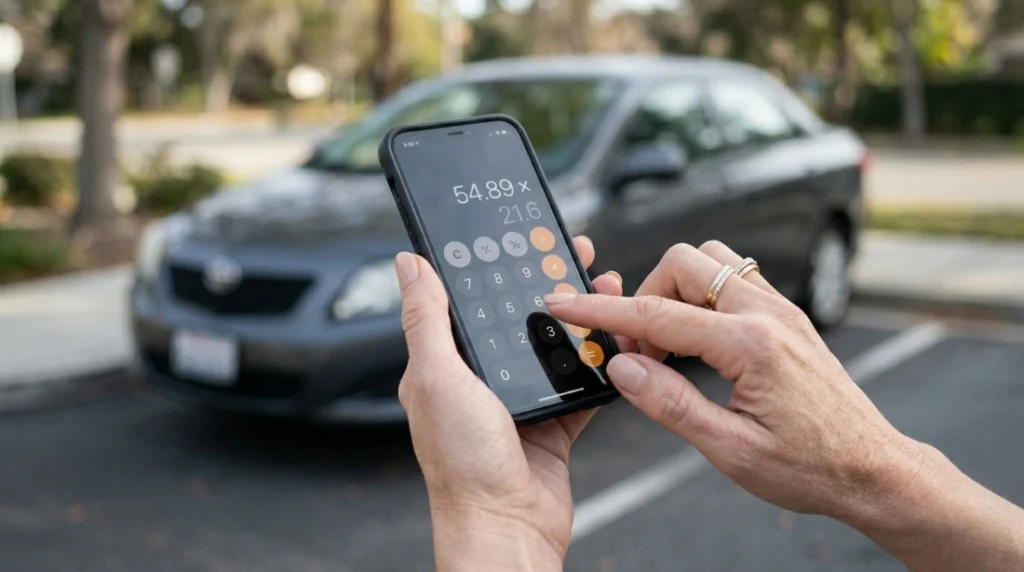
Here’s a realistic breakdown of renting out your idle car for a mid-range car renting for sixty dollars a day, booked fifteen days a month, a genuinely solid but not exceptional performance.
Gross monthly revenue: nine hundred dollars. Turo’s commission, depending on the protection plan chosen, runs anywhere from fifteen to forty percent, so subtract somewhere between one hundred thirty-five and three hundred sixty dollars right off the top. That leaves a range of five hundred forty to seven hundred sixty-five dollars before a single other cost is counted.
Then come the costs that don’t show up in anyone’s marketing. An oil change roughly every three thousand miles instead of every five thousand, because rental use adds miles fast. A set of tires wearing out meaningfully sooner. A cleaning fee, gas discrepancies renters don’t always fully cover, and the deductible if a claim happens, which for a lot of hosts happens at least once a year. Once those are subtracted, realistic net income for renting out your idle car under this same scenario often lands closer to three hundred to five hundred dollars a month, not the nine hundred the gross number implied and nowhere near what the platform’s own average annual figure suggests per car.
That’s still real money. It’s just not the number most articles lead with, and the gap between gross and net is exactly why so many first-time hosts feel disappointed after their first few months, when the actual deposit lands lower than the math they did in their head.
Where Your City Actually Changes the Math
Location does more to your real numbers than almost any other factor in this list. A car sitting in a small town with light tourism and no airport nearby might struggle to book more than a handful of days a month, no matter how well it’s priced. The same car listed near a major airport, in a city with steady business travel or tourism, can book considerably more often, sometimes enough to change which end of the earnings range above actually applies.
Before assuming a number from any article, including this one, it’s worth checking what similar cars in your specific area are actually renting for and how often they’re booked, not just what the platform’s average suggests nationally. A quick look at comparable listings near you gives a far more honest starting point than any blog’s general estimate, this one included.
Check Your Insurance Before You List Anything
This is the step that gets skipped most often, and it’s the one that can cost the most if it’s skipped. Most personal auto insurance policies explicitly exclude commercial use, which peer-to-peer car sharing generally falls under. That means your regular policy may not cover an accident that happens during a rental, and in some cases, insurers have canceled a policy entirely once they discovered undisclosed rental activity.

Turo and similar platforms offer their own protection plans, but they aren’t the same as a full commercial insurance policy. Each plan comes with its own deductible, exclusions, and coverage limits, and the cost of that protection is exactly what’s eating into the gross number from the math above. Before listing anything, call your own insurer directly and ask two plain questions: does renting out your idle car through a peer-to-peer platform violate your current policy, and what, specifically, would and wouldn’t be covered if something happened during a trip. Get the answer in writing if you can. This isn’t a formality. It’s the difference between a manageable claim and a genuinely expensive mistake.
Which Cars Actually Make Sense to List
Not every car is a good candidate for renting out your idle car, and figuring this out before listing saves a lot of wasted effort. A daily driver, the car you actually need for work and school runs, rarely makes sense: the wear and tear competes directly with the car you depend on, and any day it’s rented is a day you need a backup plan for your own life. A second car, or a car that genuinely sits unused for large stretches of the week, is a much better fit.
Economy and mid-range reliable cars, a Camry, a Corolla, a CR-V, tend to book consistently without commanding premium rates, which makes them a lower-risk starting point. Specialty or luxury vehicles can earn considerably more per day, but they also draw renters looking for a different kind of experience with the car, and the maintenance and insurance costs scale up right alongside the higher earnings. Starting with a reliable, unglamorous car and seeing how renting out your idle car actually goes before investing in anything flashier is the more conservative, and usually smarter, way in.
The Time Cost Nobody Puts in the Earnings Chart
Passive is the word every listing for renting out your idle car uses, and it’s only partly true. Meeting renters for pickup and drop-off, even with contactless options available, still takes coordination. Cleaning the car between rentals, responding to messages, adjusting pricing around demand, and dealing with the occasional dispute over a scratch or a late return all take real time, just not time that shows up neatly on an earnings spreadsheet.
For someone renting out an idle car casually, a few days a month, this time cost is genuinely minor. For someone trying to maximize bookings and treat it more like a small business, the time investment climbs quickly, and it’s worth being honest with yourself about which version you’re actually signing up for before committing a car and a chunk of your evenings to it.
Photos and Listing Details Matter More Than People Expect
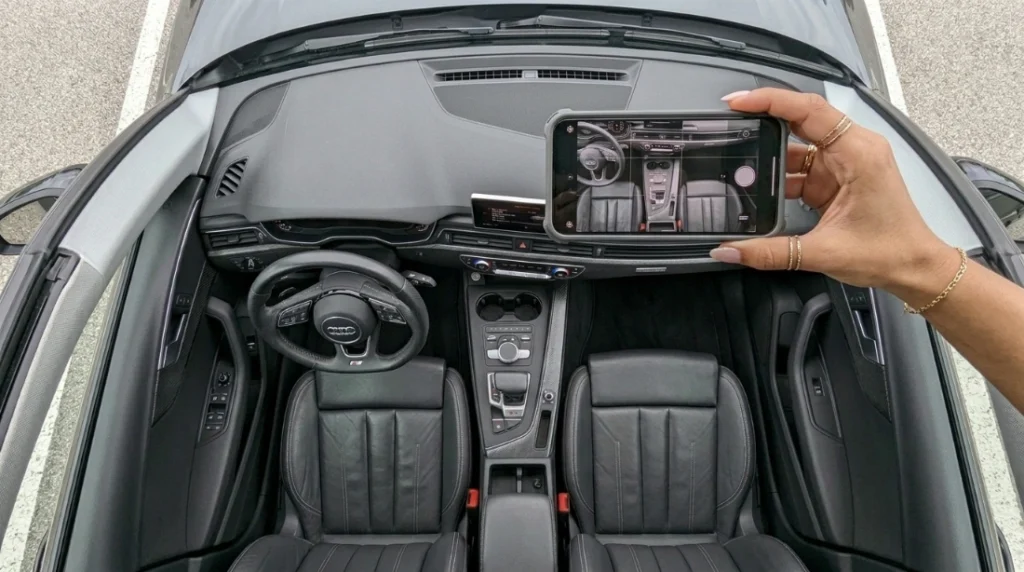
A rushed listing with two dark, blurry photos books noticeably less often than one with clear, well-lit exterior and interior shots taken during daylight. This isn’t about hiring a photographer. A few minutes with a phone camera in good natural light, showing the car clean from several angles including the dashboard and back seat, does most of the work. Renters are choosing between several similar listings, and the ones that look cared for tend to get picked first, all else being roughly equal, which matters directly to how consistently renting out your idle car actually pays off.
The written description matters too, more than a generic one-line summary suggests. Mentioning specific, useful details, whether the car has a phone charger built in, how it handles on longer trips, any quirks a renter should know about before a long weekend, builds a level of trust a bare-bones listing doesn’t. None of this changes the underlying math from the earlier sections, but it does affect how consistently the car actually books within whatever range your city and car type land in.
What Actually Happens at Tax Time
Income from renting out your idle car is taxable, the same as any other income, and it doesn’t matter that the car itself already belongs to you. According to the IRS, personal property rental income must be reported: on Schedule C if you’re operating it as a business, or as additional income if it’s more occasional and not run as a business. Which category applies affects both how you report it and what expenses you’re allowed to deduct against it, so it’s worth understanding the distinction before your first tax season with this income on the books.

Real operating expenses, cleaning supplies, a portion of insurance costs tied specifically to the rental activity, platform fees, and vehicle maintenance directly tied to the rental use, are generally deductible when renting out your idle car if you’re reporting this as business income. Keeping a simple running log of these costs as they happen, rather than trying to reconstruct them the following March, makes an enormous difference at tax time.
I am not a financial advisor and this is not financial advice. For your specific situation, especially once you’re deciding between reporting this as a business versus occasional income, talk to a tax professional who can walk through your actual numbers.
Starting Small on Purpose
Listing a car for the first time doesn’t require committing to full-time availability immediately. Starting with limited availability, a handful of days a month, lets you see how your specific car performs, what the real costs look like once a rental or two has actually happened, and whether the coordination fits your schedule before expanding.
What a Genuinely Slow Month Looks Like
Not every month goes according to the math above, and it’s worth knowing what a slow stretch actually looks like before assuming something’s wrong. A new listing with no reviews yet often books less in its first month simply because renters favor hosts with an established track record, even when the car and price are perfectly reasonable. A holiday lull, a stretch of bad weather in a city that depends on outdoor tourism, or simply an unlucky few weeks can all mean a month where renting out your idle car nets closer to one hundred dollars than five hundred.
This isn’t a sign to quit immediately. It’s a sign to look at the actual pattern over two or three months rather than judging the entire idea off one quiet stretch, the same way any income tied to demand and seasonality needs a slightly longer runway before the real average becomes visible.
Renting out your idle car more aggressively once you have real numbers from your own car, rather than the platform’s average, is a far more reliable way to decide whether to scale up than trusting a marketing page’s projection from the start.
Running the real numbers against your actual hourly time investment before deciding how much time to put into this is worth doing early, the same way it’s worth doing for any side income that looks passive on the surface but isn’t entirely hands-off underneath.
Stacking It With Other Small Income Sources
Renting out your idle car rarely needs to be the only thing filling a gap in the budget, and treating it as one piece of a small income stack tends to feel more sustainable than pinning too much hope on any single month’s bookings. A slow month for the car can be balanced by whatever else is bringing in a little extra, rather than feeling like the whole plan failed because one income source had an off stretch. This is the same principle that applies to any variable, demand-driven side income: the less any single source has to carry on its own, the less any one slow month actually matters to the bigger picture.
Who This Isn’t For
If your car is your only vehicle and you need it reliably available for work, school runs, or anything time-sensitive, renting out your idle car isn’t a good fit right now. The unpredictability of exactly when it’ll be returned, combined with the wear it takes on, works against anyone who can’t absorb a day or two of reduced availability without real disruption to their own life. This works best specifically because the car sits unused for real stretches of time, not despite that fact.
It’s also worth being honest about temperament, not just schedule. Renting out your idle car means occasionally fielding a message from a stranger about a scratch, a late return, or a question at an inconvenient hour. For some women that’s a minor annoyance. For others, the mental load of being on call for a car isn’t worth what it earns, even when the math checks out. Both reactions are valid, and it’s worth sitting with which one actually describes you before listing anything.
Common Questions
Do I need to tell my lender if my car is financed before renting out your idle car? Many lenders include language about commercial use in a financing agreement, so it’s worth reviewing yours and asking directly before listing a financed vehicle. Some allow it without issue, others don’t, and finding out after the fact is a worse position to be in than checking first.
What happens if a renter damages my car? Platform protection plans generally cover damage during a trip, but coverage varies by plan and comes with a deductible you’re responsible for. Understanding your specific plan’s terms before your first rental, not after an incident, matters more than almost anything else in this list.
Is renting out your idle car worth it if I only have one car available occasionally? It can be, especially if that occasional availability is genuinely predictable, like a car that sits unused every weekday during work hours. The honest net numbers above assume real availability, so a car that’s only free a few random days a month will land toward the lower end of that range, not the higher end.
How is this different from just selling the car if I don’t need it as much anymore? Selling gets you a lump sum immediately and ends the ongoing responsibility. Renting out your idle car instead keeps the asset while generating smaller, recurring income, which makes sense if you expect to need the car again, want to test the income before committing either direction, or simply prefer the flexibility of keeping it. Neither choice is automatically better; it depends on what you actually expect to need in the next year or two.
Does my regular driving history or credit matter for getting approved as a host? Most platforms run a basic background and driving record check before approving a host account, though the specific requirements vary by platform. A generally clean driving history makes approval smoother, but it’s worth checking the specific platform’s requirements directly rather than assuming either way.
The Honest Number, Not the Marketing One
If you take away one thing: run your own math using your actual car, your actual city’s rental rates, and your actual insurance situation before assuming any of the numbers you’ve seen elsewhere apply to you. Renting out your idle car can genuinely put a few hundred real dollars a month into an account for something that was otherwise costing you money just to own. It’s not the four-figure marketing number. For a car that’s already sitting there anyway, renting out your idle car is still worth doing the real math to find out.