
Every generic Shopify vs WooCommerce comparison online is written for the same imaginary business: a general store selling t-shirts or gadgets to a broad market. That’s not you. You’re pouring candles, sewing, painting, or building something by hand, and the platform decision changes depending on that fact in ways those articles never mention. This is the Shopify vs WooCommerce breakdown built specifically for a handmade seller who’s already selling on Etsy or TikTok Shop and is deciding whether, and how, to build her own site.
Shopify vs WooCommerce for a handmade business comes down to this: Shopify is the faster, lower-maintenance choice for a seller who wants to focus on making and selling rather than managing a website, while WooCommerce gives more control over design, data, and long-term cost for a seller comfortable with WordPress or willing to hire help. Most handmade sellers starting their first independent store do better on Shopify; sellers with existing WordPress content or specific customization needs often do better on WooCommerce.
What Actually Changes When the Business Is Handmade
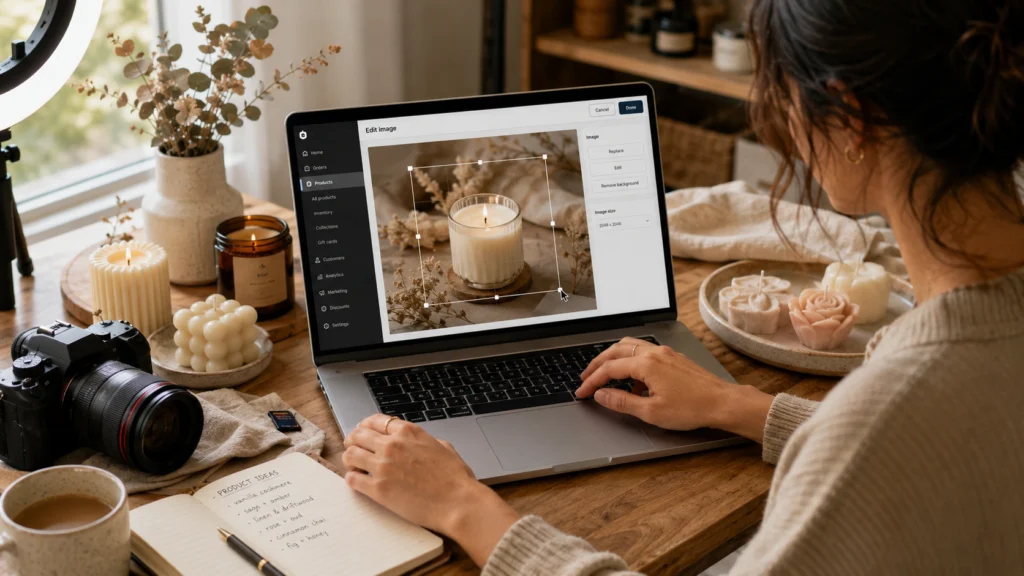
Most Shopify vs WooCommerce comparisons assume every store looks the same: fixed products, standard variants, straightforward checkout. A handmade business rarely works that way. You might need custom engraving fields, made-to-order lead times communicated clearly at checkout, limited-batch drops that sell out and need to show as sold out cleanly, or product photos that carry more weight than they would for a mass-produced item since the photo is often the only thing convincing a stranger your candle is worth more than a $12 one at the store. Every part of this Shopify vs WooCommerce decision needs to be run through that lens, not the generic lens most comparison guides use.
Real Cost Comparison for a Small Handmade Seller
Cost is usually the first question in any Shopify vs WooCommerce decision, and it’s also the most misleading if you only look at the sticker price. Shopify charges a predictable monthly subscription, and that fee includes hosting, security, and a functioning store the day you sign up. WooCommerce itself is free, but “free” only describes the plugin. You still need to pay for a domain, WordPress hosting, and usually a handful of paid plugins to get functionality that Shopify includes by default, product variants, abandoned cart recovery, and better checkout customization among them.
For a genuinely small handmade seller, someone with a dozen product listings and modest monthly traffic, the real-world cost gap between Shopify and WooCommerce is often smaller than people expect once hosting and plugin costs are added to the WooCommerce side. Where the gap widens is at scale. As a WooCommerce store grows, hosting needs to grow with it, and a shared hosting plan that worked fine at low traffic can start to slow down or even crash under real order volume, pushing sellers toward managed WordPress hosting that costs meaningfully more. Shopify’s pricing stays predictable because the infrastructure is built into the subscription regardless of how much you’re selling.
There’s a second cost most sellers forget until it bites them: payment processing. Using Shopify’s built-in payment processor avoids extra fees, but if you want to use a different processor instead, Shopify adds a surcharge on top of your regular transaction fees, which can add up for a business running tight margins. WooCommerce gives you full freedom to choose any payment processor without a platform surcharge, which matters more for a handmade business selling in a niche where certain processors are more favorable, or one exploring cash-on-delivery arrangements alongside standard checkout, per NerdWallet’s comparison of e-commerce platform costs.

Ease of Setup: What a Non-Technical Seller Actually Faces
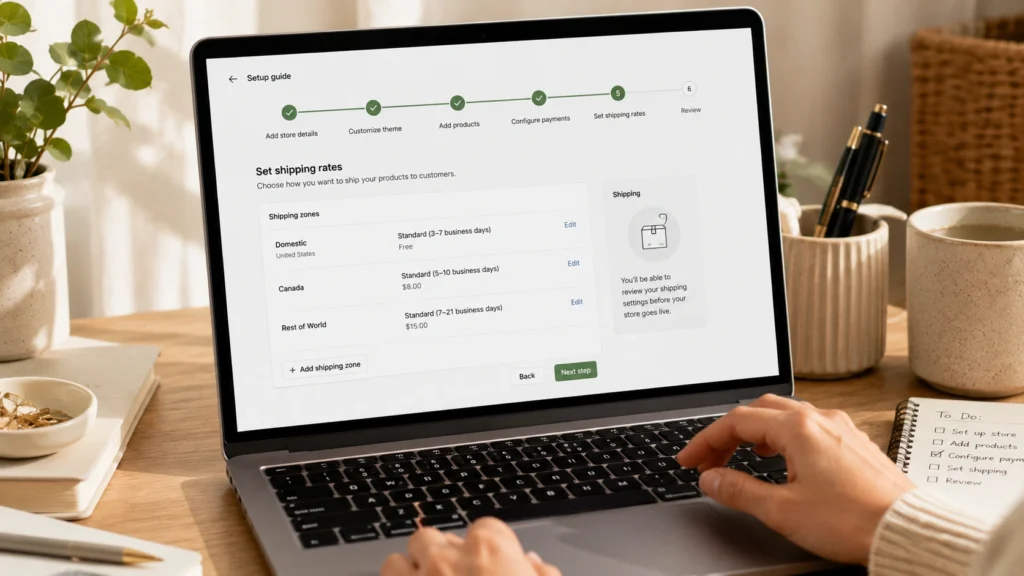
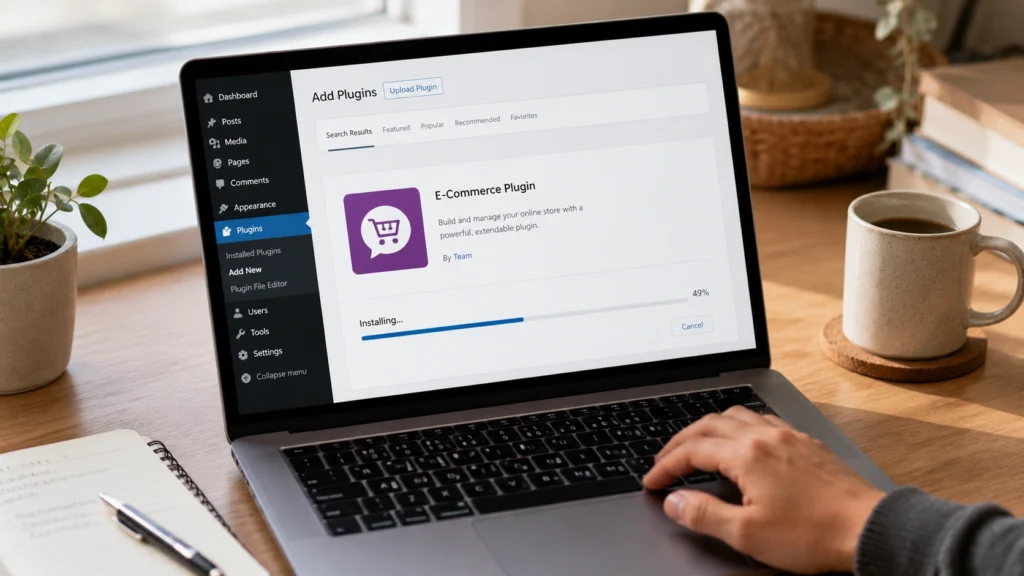
This is where the Shopify vs WooCommerce decision becomes personal rather than purely financial. Shopify was built from day one to get a non-technical seller from zero to a working store in an afternoon. You pick a theme, add products, connect a payment method, and you’re live. WooCommerce, by contrast, is a plugin that runs on top of WordPress, which means it requires more setup work, finding a domain and hosting, installing WordPress, then installing and configuring the plugin itself before you can even start adding products.
For a handmade seller who’s already stretched between making product, packing orders, and running social media, that setup gap is real and worth being honest about. WooCommerce rewards someone who either enjoys learning WordPress or has the budget to pay someone else to build it properly. Shopify rewards someone who wants the tech handled so she can put her energy into the product and the marketing instead.
That said, “easier” doesn’t mean “will look better.” A WooCommerce store built by someone comfortable with WordPress can look every bit as polished as a Shopify store, and often has more design flexibility once it’s set up. The real question in this part of the Shopify vs WooCommerce comparison isn’t which platform is capable of a great result, it’s which one gets you to that result with the time and skill you actually have right now, not the skill you might have in a year.
SEO and Content: Where This Really Matters for a Handmade Brand
A handmade brand often grows through content, the story behind the product, the process, blog posts about materials or technique, the exact kind of content this site is built around. This is one part of the Shopify vs WooCommerce decision where the two platforms genuinely diverge rather than just trading convenience for control.
WooCommerce runs on WordPress, which is widely considered the stronger platform for content-driven strategies, giving full control over URL structure and deep integration with SEO plugins like Yoast or RankMath. If your plan for growing a handmade brand leans heavily on blogging, behind-the-scenes process content, or building topical authority the way this very site does, WooCommerce’s WordPress foundation gives you more room to do that well. Shopify automates core SEO effectively with minimal effort, but it enforces a fixed /products/ URL path that can’t be removed or customized, which is a small technical detail but one that content-focused sellers sometimes find limiting.
For most product-focused stores, either platform can rank well, since content quality, site speed, and backlinks matter more than the platform choice itself. So this part of the Shopify vs WooCommerce decision matters most specifically for a handmade seller who plans to build an actual content engine around her brand, not for one who mainly wants a clean product catalog and checkout.

Design and Theme Flexibility for Showcasing Handmade Work
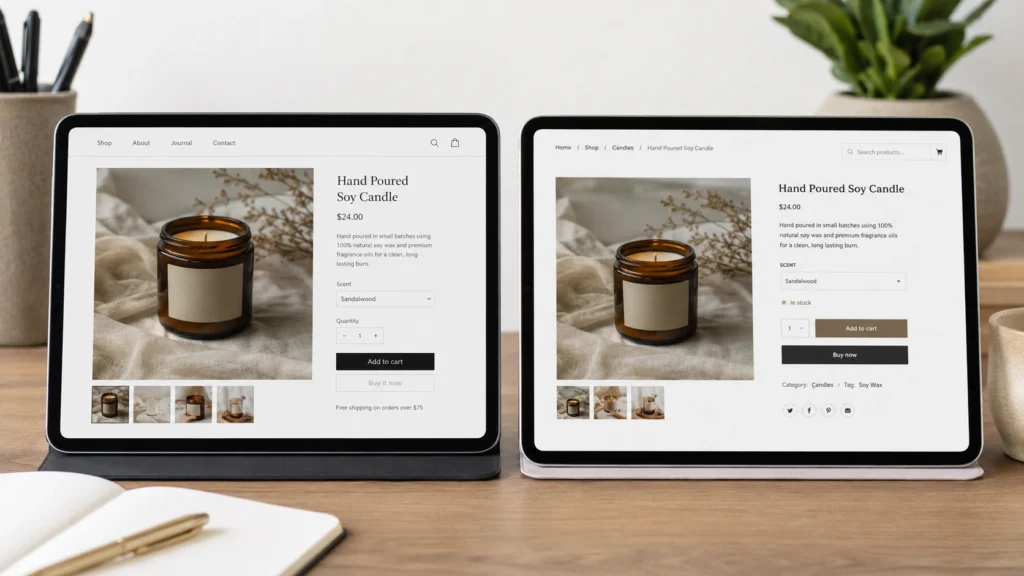
Handmade products live or die on presentation. A candle, a knitted piece, a hand-poured soap, none of these sell themselves on spec sheets the way a phone case or a kitchen gadget might; they sell on how the photo and the story make someone feel. Both platforms offer themes built for visual products, but they get there differently. Shopify’s theme store is curated and polished, with themes specifically designed for product photography to shine, and customizing one requires little to no code for most changes a handmade seller would want.
WooCommerce themes vary enormously in quality since anyone can build one, but a well-chosen, well-built WooCommerce theme paired with a page builder can achieve a level of custom design Shopify’s theme editor doesn’t allow without diving into actual code or paying a developer.
For a seller who wants a distinctive, non-templated look and has some patience or budget for that, WooCommerce edges ahead in the Shopify vs WooCommerce design conversation. For a seller who wants something that already looks professional out of the box with minimal fuss, Shopify wins that same comparison easily.
Apps, Plugins, and the Custom Features Handmade Sellers Actually Need
This is where a lot of handmade sellers get surprised. Standard product listings assume a fixed item at a fixed price. A handmade business frequently needs more: a personalization field for a name to be engraved or embroidered, a made-to-order timeline shown clearly at checkout, a waitlist for a sold-out scent or color, or a bundle builder letting a customer mix and match items into a gift set.
Both platforms handle this through apps and plugins rather than built-in features, and both have mature ecosystems for it. Shopify’s app store is polished and mostly subscription-based, so each added feature usually means another small monthly cost stacked on top of the base subscription. WooCommerce’s plugin ecosystem includes more one-time-purchase and free options, which can mean lower ongoing cost, but also more responsibility for making sure plugins stay updated and compatible with each other as WordPress itself updates. Neither side of the Shopify vs WooCommerce comparison is clearly cheaper here; it depends on exactly how many custom features your specific handmade catalog actually needs.

Checkout, Payments, and Cash on Delivery for Small Sellers
Shopify’s back end for order management, reporting, inventory tracking, and fulfillment is widely regarded as one of the cleanest in e-commerce, easy to navigate without training. For a handmade seller managing orders herself with no dedicated operations person, that ease matters day to day, not just at setup.
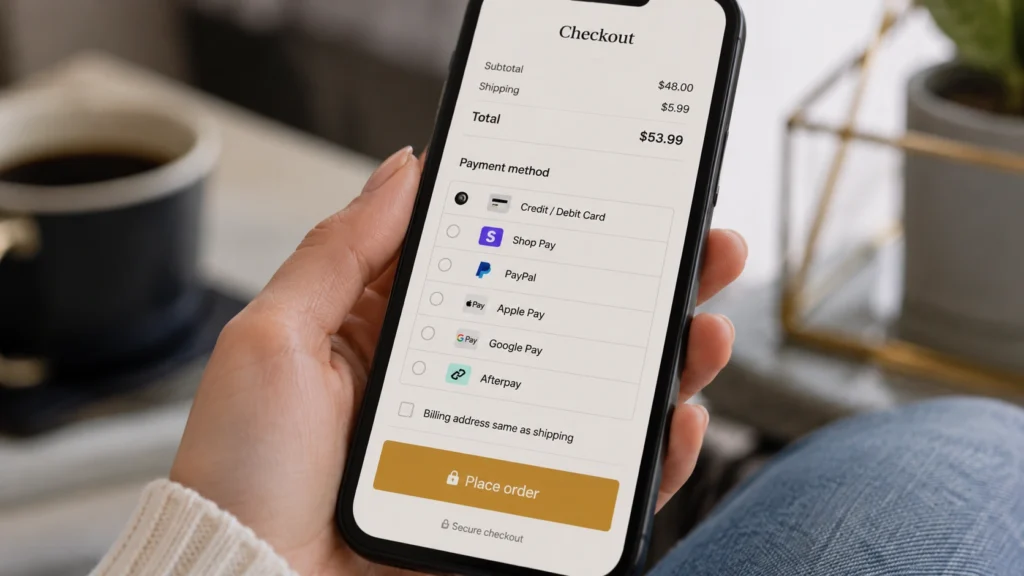
Where WooCommerce pulls ahead for some sellers is payment flexibility. For businesses selling outside mainstream product categories, or ones that want more control over exactly which payment processors and options they offer, WooCommerce’s payment flexibility is a meaningful advantage over Shopify’s more locked-down default setup. If part of your plan is offering cash on delivery or a regional payment option that isn’t a default supported method, WooCommerce generally makes that easier to configure without fighting the platform.
Migrating From Etsy or TikTok Shop to Your Own Store
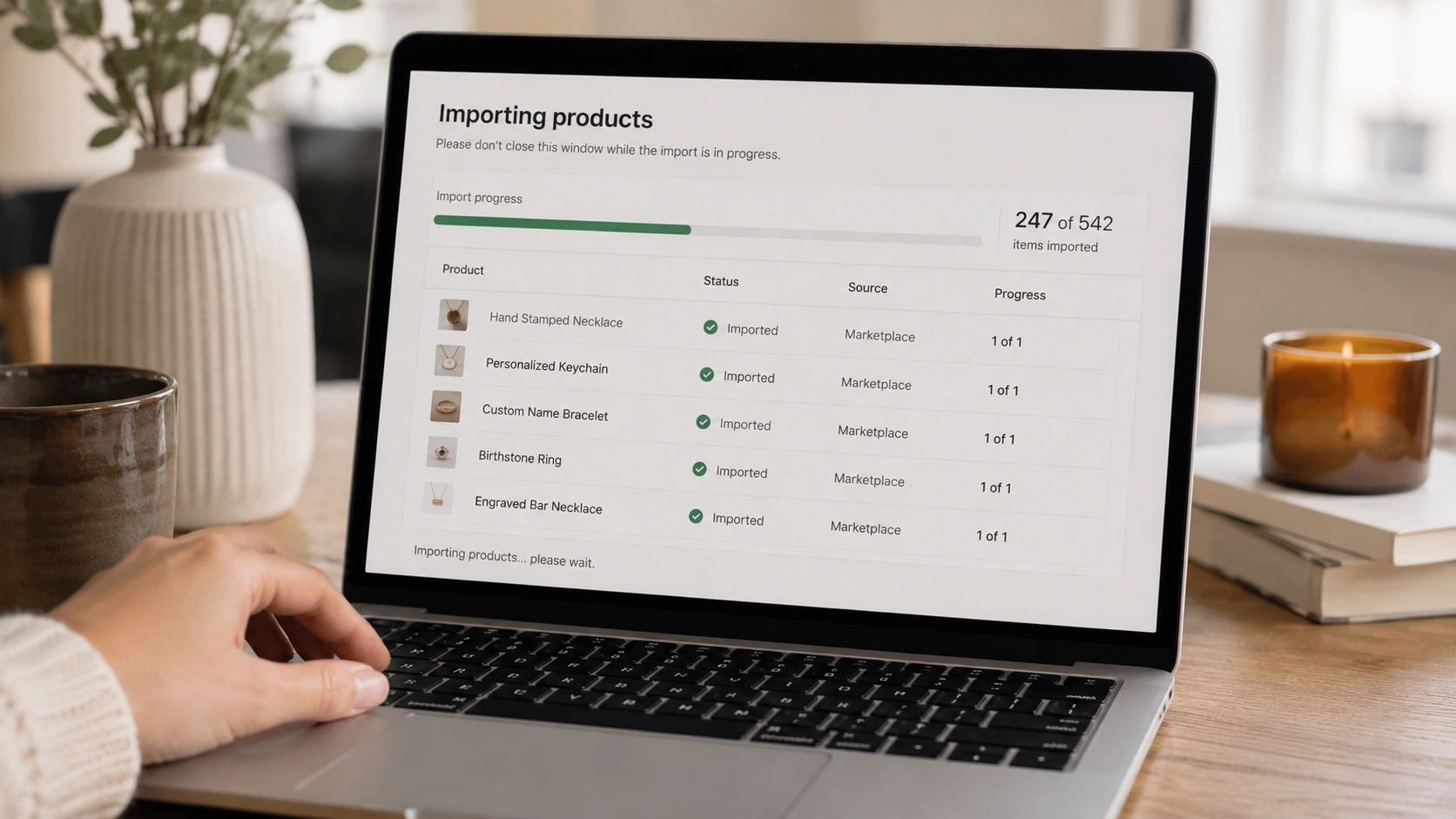
If you’re reading this because you’re already selling on Etsy, TikTok Shop, or Instagram and thinking about the jump to your own site, this part of the Shopify vs WooCommerce question is really about which platform gets your existing product catalog moved over with the least friction. Shopify has built dedicated import tools and guided flows specifically for sellers migrating off marketplaces, since attracting exactly that seller is a major part of its growth strategy. WooCommerce can absolutely handle a marketplace migration too, but it typically involves a bit more manual matching of product data, categories, and images, especially if you’re moving a large catalog with many variants.
For a handmade seller who’s been building product listings on Etsy for a while and just wants those listings recreated cleanly on her own domain without becoming a part-time web developer in the process, Shopify’s migration path is usually the smoother one.
Scaling: When a Handmade Brand Outgrows the Starting Choice
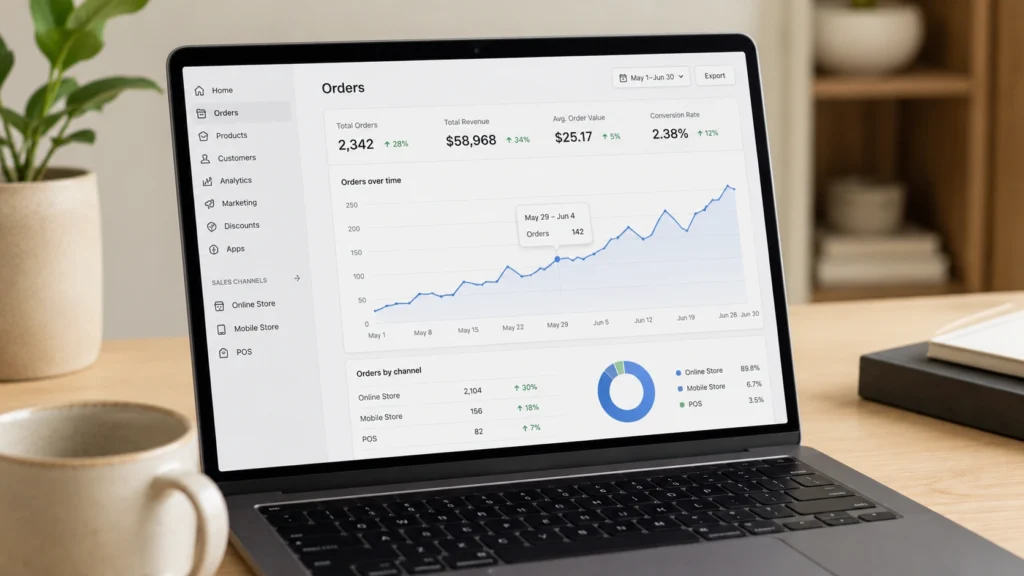
Shopify’s infrastructure scales automatically, whether a store has a hundred products or a hundred thousand, ten daily visitors or a hundred thousand, without the seller having to do anything to manage that growth. A WooCommerce store handling meaningfully higher traffic on basic shared hosting will start to struggle, and needs progressively more expensive hosting and server optimization as the catalog and traffic grow.
For a handmade business that stays intentionally small, a solo maker with a limited catalog and modest, steady traffic, this difference barely matters. For a handmade brand with real ambitions to scale, the kind of five and six figure growth this site has talked about elsewhere, this is one of the more consequential parts of the whole Shopify vs WooCommerce decision, because migrating platforms later, once a brand has real traffic, real SEO equity, and real customer accounts built up, is a genuinely bigger project than choosing correctly up front.
The Honest Verdict, by Seller Type
There’s no single right answer in the Shopify vs WooCommerce debate, only the right answer for where you actually are right now.
If you’re a first-time seller moving off Etsy or social media with a modest catalog and no WordPress experience, Shopify is almost always the better starting point. It gets you live fastest, handles the technical load for you, and lets you focus your limited time on product and marketing instead of infrastructure.
If you already have a WordPress site, maybe a blog you’ve been running, or content you’ve already built that you don’t want to abandon, WooCommerce lets you add a real store to what you already have without starting over on a separate platform.
If deep content and SEO is central to your growth plan, meaning you’re planning to genuinely blog, build topical authority, and drive organic traffic the way a site like this one does, WooCommerce’s WordPress foundation gives you more long-term room to do that well.
If you want the most predictable costs and the least ongoing technical maintenance, and you’d rather pay a steady monthly fee than manage hosting, security, and plugin updates yourself, Shopify is the lower-stress choice.
If your product line needs unusual customization, specific personalization flows, an unconventional payment setup, or design that doesn’t fit inside a standard theme editor, WooCommerce’s flexibility gives you more room to build exactly what you need, provided you have the time or budget to build it properly.
I am not a financial advisor and this isn’t a recommendation for your specific business situation. Both platforms are mature, real businesses run successfully on either one, and the right choice depends on your comfort with technology, your budget, and how central content and SEO are to your growth plan.
People Also Ask
Is Shopify or WooCommerce better for a small handmade business just starting out?
For most first-time sellers moving off Etsy or social media, Shopify tends to be the easier starting point in the Shopify vs WooCommerce decision, since it requires no separate hosting setup and gets a working store live faster.
Can I switch from WooCommerce to Shopify later, or the other way around, without losing everything?
Yes, migration tools exist in both directions, though moving from WooCommerce to Shopify is a more common, better-supported path than the reverse. Either way, plan for redirects and some manual cleanup rather than expecting a perfectly seamless move.
Does WooCommerce really cost less than Shopify for a handmade seller?
Not always. WooCommerce itself is free, but hosting, a domain, and the plugins most handmade sellers actually need add real cost, and that cost climbs further as a store grows and needs stronger hosting.
Which platform is better for SEO and blogging as part of a handmade brand’s growth strategy?
WooCommerce, built on WordPress, generally gives more control over content and SEO for a brand planning to grow through blogging and organic search, while Shopify handles core SEO automatically but with less flexibility around URL structure and content tools.
Do I need coding skills to use either platform?
No, both platforms are designed to be usable without code for standard store setup. Shopify requires less technical comfort overall, while WooCommerce rewards some WordPress familiarity, or a willingness to hire help, if you want a fully custom result.