
Luxury Subscriptions: 5 Honest Ways I Saved
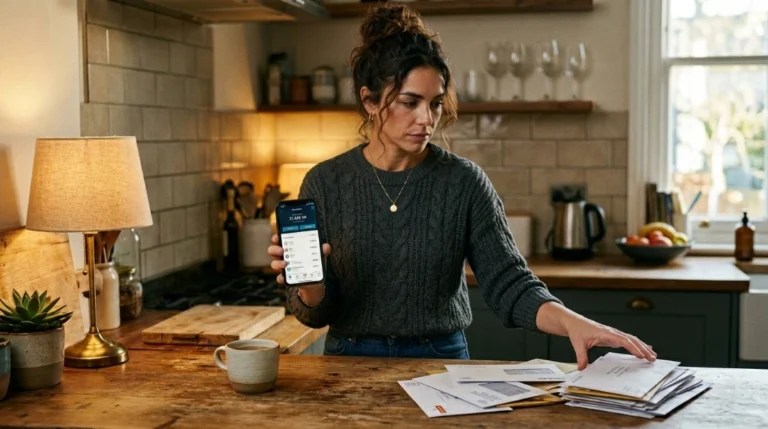
Luxury subscriptions were the first thing I saw when I opened my banking app this morning, before I had even sat up properly in bed. A sixty dollar renewal for a skincare box I had not opened in three months came through at 5 AM, and my checking account dropped to forty two dollars. I lay there for a minute just looking at the number, not crying exactly, just feeling that specific heaviness that comes from working hard all week and watching the money disappear into things I forgot I was paying for.
By the time I got up and made coffee, I had pulled up my full statement from the last sixty days. Seven separate charges for things I could barely remember signing up for. Some were three dollars. One was sixty. None of them were dramatic on their own. Together, they were the difference between a comfortable month and an overdraft fee.
The Reality Check
The truth about most luxury subscriptions is that they were never really about the product. The skincare box, the premium meal kit, the elite fitness app, all of them sold me a version of myself I wanted to be on a day when I had more time, more energy, and more money than I actually had that week.
I found a meal kit charge for forty dollars a month sitting next to a refrigerator full of vegetables that had gone soft because I never had the time to cook the version of dinner the app promised me. I was paying for the identity of someone who meal preps on Sundays while living the actual life of someone who orders takeout on a Tuesday because work ran long. That gap between the two is where luxury subscriptions quietly live.
This is not a personal failing. It is how the system is built. According to recent spending research, the average household now spends well over two hundred dollars a month on subscription services, and when people are asked to guess that number, most come in at less than half of the real total. The gap is not because anyone is careless. It is because each charge is small enough to feel invisible and automatic enough to never ask permission twice.
The Shift
The standard advice here is to cut your daily coffee or stop ordering lunch. That advice has always bothered me, because it treats small daily joys as the enemy while leaving the actual structural drain completely untouched. A three dollar coffee you drink and enjoy every morning is not the same thing as a sixty dollar box arriving on your porch that you have stopped opening entirely.
The shift that actually changed something for me was simple. I stopped asking whether something felt nice in theory and started asking whether I had used it in the last thirty days. Not whether I might use it. Not whether it represented a version of my life I aspired to. Just whether, in the past month, I had actually opened it, worn it, eaten it, or logged into it.
Luxury subscriptions survive because they are designed to be felt rarely and billed constantly. The moment you separate the feeling of the purchase from the frequency of its use, most of them stop making sense almost immediately.
My Five Rules for Cutting Luxury Subscriptions for Good
Here is the exact system I used at my kitchen table that morning, written down so I would not talk myself out of any of it later.
The first rule is the thirty day test. If I had not opened, worn, or used something in the last thirty days, it was cancelled, no exceptions and no “I might need it later.”
The second rule is one category, one subscription. I had three different ways to stream shows. I kept one and let the other two go, because watching the same content on three platforms was never the point.
The third rule is turning off auto renew on everything that survives the first two rules. If a company wants my money next month, it has to ask me again, and that single extra step is often enough to make me actually think about it.
The fourth rule is the free alternative swap. My library card gives me access to audiobooks, ebooks, and even some streaming through an app I had never bothered to download. It replaced two paid services in about ten minutes.
The Hidden Trap of Free Trials
The fifth rule is the one that catches almost everyone, which is the seven day free trial. These trials ask for billing details upfront because the companies are counting on you to forget. Now, the moment I start a trial, I set a reminder for day five, not day seven, because giving myself a two day buffer means I am never racing the clock.
The Hard Numbers
By the time I finished going through everything, I had cancelled five subscriptions. The skincare box at sixty dollars. The meal kit at forty. A premium fitness app at thirty five. A duplicate streaming service at sixteen. And a beauty box I had genuinely forgotten existed at forty five dollars.
Five subscriptions, one hundred and ninety six dollars a month, just over two thousand three hundred dollars a year. None of it dramatic individually. All of it adding up to more than my car insurance payment.
According to Investopedia’s research on subscription spending habits, this kind of underestimation is extremely common, because automated charges are processed without any moment of decision attached to them. There is no checkout screen, no confirmation, nothing that triggers the part of your brain that notices spending. The charge just happens, every month, quietly, until someone sits down with sixty days of statements and counts.
The two services I kept cost a combined eighteen dollars a month. One is a basic streaming plan the whole household actually uses most nights. The other is a password manager I genuinely cannot function without. Neither felt aspirational. Both felt necessary, which turned out to be the entire difference.
Honest Life After This
The two thousand three hundred dollars a year did not change my life overnight, and I want to be honest about that because overpromising is exactly the kind of thing that makes financial advice feel hollow.
What changed was quieter than that. I stopped feeling that small flinch every time my phone buzzed with a banking notification. My statement now only has charges I recognize, because every single one of them is something I actually chose this month, not something I forgot to cancel eighteen months ago.
That clarity connects directly to something I wrote about before, when I worked through a full audit of my monthly spending without giving up anything I actually loved. Luxury subscriptions were one piece of that picture, but they deserved their own twenty minutes, separate from everything else, because they hide so well inside automatic payments that a general budget review can miss them entirely.
My house feels different too, in a way I did not expect. Fewer boxes arriving means fewer things sitting unopened on the counter, which means less to manage, less to feel guilty about, and less mental noise every time I walk past them.
Straight Talk Closing
You do not need to cancel everything, and you definitely do not need to feel bad about the things that are genuinely working for you. Some subscriptions earn their place completely.
What you need is twenty minutes, your phone, and sixty days of transaction history. Open your banking app right now, the same way I did this morning, and look honestly at your own luxury subscriptions. You might be surprised by what is on that list, and even more surprised by how light it feels to finally see it clearly.
Read More:
Money and Self Worth: 5 Secret Steps to Lasting Peace
High-Ticket Side Hustle: 7 Real Ways to Make $1,200 Monthly From Your Living Room