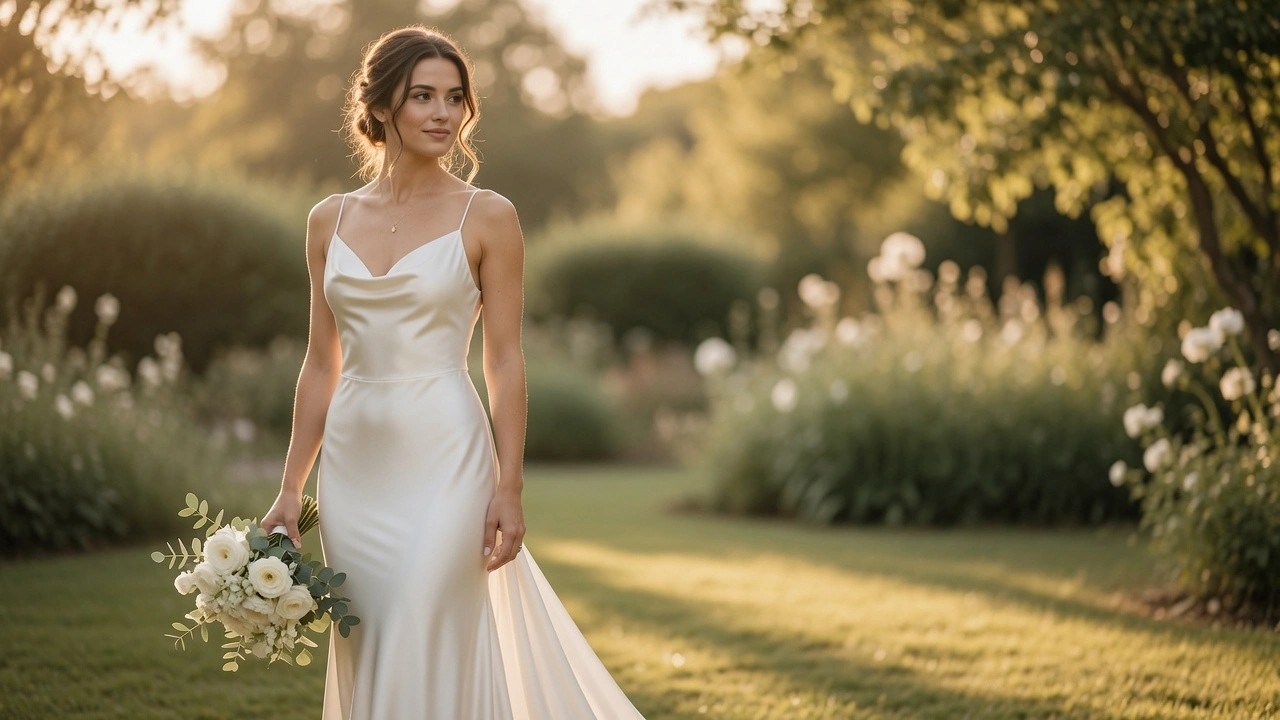
Frugal Chic Bridal: How to Nail Quiet Luxury Wedding Style on Any Budget
Budget bridal style is not the consolation prize version of wedding planning. That framing, the idea that a carefully managed bridal budget means settling, choosing less, or visibly compromising, is exactly the belief that sends brides into debt before the wedding day has even arrived. The quiet luxury aesthetic that’s defining 2026 bridal fashion isn’t characterised by expensive materials and elaborate construction. It’s characterised by restraint, simplicity, and the kind of understated elegance that photographs beautifully and costs considerably less than the rhinestone-and-tulle alternative.
Some links in this article may be affiliate links. I only recommend things I have personally used or genuinely believe in.
The practical reality is that a budget bridal approach done deliberately, with a clear aesthetic and a smart sourcing strategy, often produces a more visually cohesive result than a disorganised high-spend approach, because every decision is intentional rather than impulse-driven. This guide covers the gown, the beauty, the nails, and the detail styling that together create the quiet luxury bridal look, with honest numbers and specific sourcing strategies at each stage.
Why “Just Find a Cheap Dress” Misses the Entire Point
The standard budget bridal advice focuses almost exclusively on the dress price tag, and it misses most of what actually determines whether the day photographs the way a bride wants it to. A two-hundred-dollar dress styled with intention, natural florals, coherent details, and a genuinely beautiful beauty look, produces photographs that don’t reveal their price point. A seven-hundred-dollar dress surrounded by mismatched, rushed, or generic styling often looks exactly like what it is, expensive in a couple of places and cheap everywhere else.
The quiet luxury aesthetic is uniquely well-suited to budget bridal precisely because its defining features, muted colour palette, natural fabrics, understated accessories, one significant investment piece surrounded by simplicity, align structurally with what a budget approach naturally produces. The problem isn’t having a budget. The problem is not having a clear aesthetic framework to guide all the decisions within that budget.
The other thing standard advice consistently misses is where the hidden costs actually accumulate. The dress is the most obvious line item, but alterations, accessories, beauty services, and detail styling frequently add hundreds of dollars to the total bridal budget without being planned for upfront. A coherent budget bridal style approach accounts for all of these simultaneously rather than optimising for the dress price alone.
The Actual Method: Building a Quiet Luxury Bridal Look on a Budget
This method works through four specific layers: the gown sourcing strategy, the beauty and nail plan, the detail and decor approach, and the styling cohesion that ties all of it together photographically.
Layer one: The gown approach. Budget bridal style in 2026 has more genuinely viable sourcing options than at any previous point, and the right choice depends on body type, timeline, and aesthetic rather than a single universal recommendation.
Online-only retailers with no physical showroom overhead have genuinely changed what’s available under five hundred dollars. The trade-off is fit uncertainty, which is meaningfully reduced by retailers offering custom sizing based on measurements rather than standard sizing, or by those offering a small-fee home try-on service. Both of these reduce the post-purchase alteration cost that often turns a two-hundred-dollar dress into a four-hundred-dollar dress once the tailor is factored in.
Department store formal sections are an underused sourcing strategy that exploits the well-documented “bridal markup,” the price increase that occurs the moment an identical garment is labelled a wedding dress rather than a formal gown. A white or ivory formal gown from a non-bridal section often costs considerably less than the same garment at a bridal retailer, and it photographs identically. This approach works best for brides with simple aesthetic preferences, a clean silhouette in an appropriate fabric, rather than brides specifically seeking traditional bridal construction like boning or a long train.
Pre-worn designer gown platforms offer authenticated secondhand gowns from recognisable designers at a fraction of their original retail price. The quiet luxury aesthetic is particularly well-served here because many designer gowns in the understated, minimalist direction, simple cuts, natural fabrics, subtle details, appear on these platforms regularly, since they don’t appeal to brides specifically seeking statement pieces.
Sample sales at physical bridal boutiques offer genuine designer gowns at clearance prices, typically toward the end of a season when the boutique needs to clear floor space. The trade-off is limited sizing and no custom alteration service, but for brides who fall within standard sample sizes, this represents access to quality that’s genuinely difficult to replicate at comparable price points through any other channel.
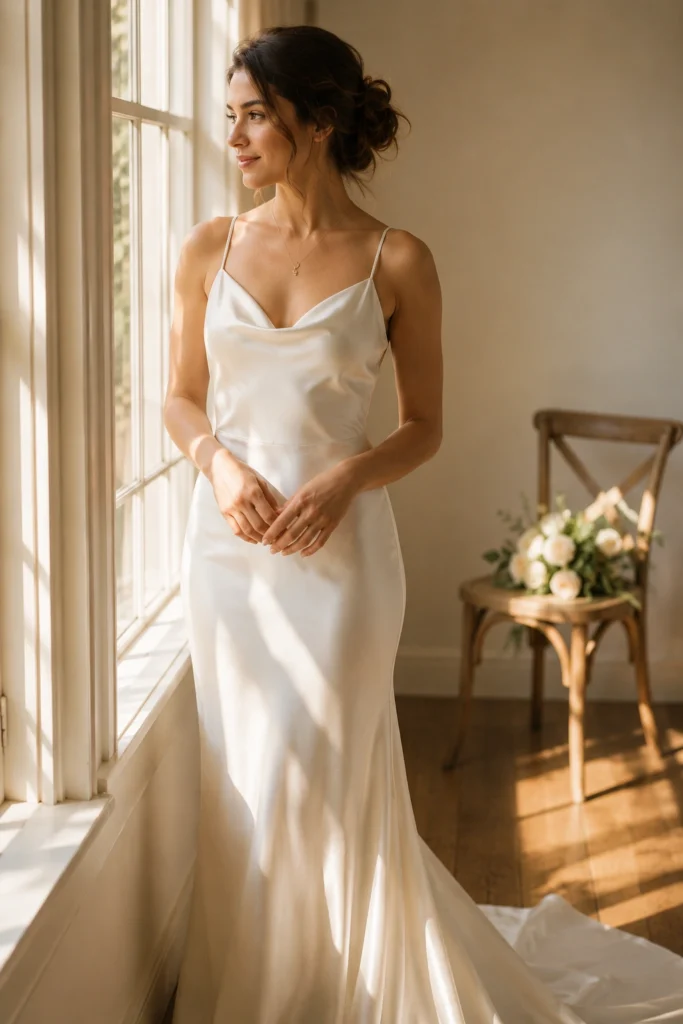
Bridal Beauty and Nails: The Layer That Changes Everything Photographically
This is the layer most budget bridal advice skips entirely, and it’s frequently the layer that makes the largest visual difference in photographs. A simple gown styled with genuinely beautiful hair, skin, and nails reads as intentionally elegant. The same gown with rushed or mismatched beauty reads as improvised regardless of how carefully the dress was chosen.
Hair. The quiet luxury bridal aesthetic leans toward natural, softly worn styles over heavily structured ones. Loose waves, a soft updo with face-framing pieces, a simple low chignon. These styles require less time, less product, and less expertise than elaborate updos, which makes them genuinely more accessible from a budget standpoint while also being more consistent with the aesthetic itself. Cosmetology schools offer professional bridal styling at significantly reduced rates compared to established salons, with supervised students performing the work, a trade-off that works well for brides with simpler, natural style preferences.
Skin. The most significant bridal skin difference comes from the six to eight weeks before the wedding rather than the day of. A consistent routine, basic hydration, SPF, and one targeted product for any specific concern, performed consistently over the lead-up period, produces more visible results than a high-cost last-minute facial. This isn’t frugality. It’s what actually works, and it costs almost nothing compared to last-minute professional treatments.
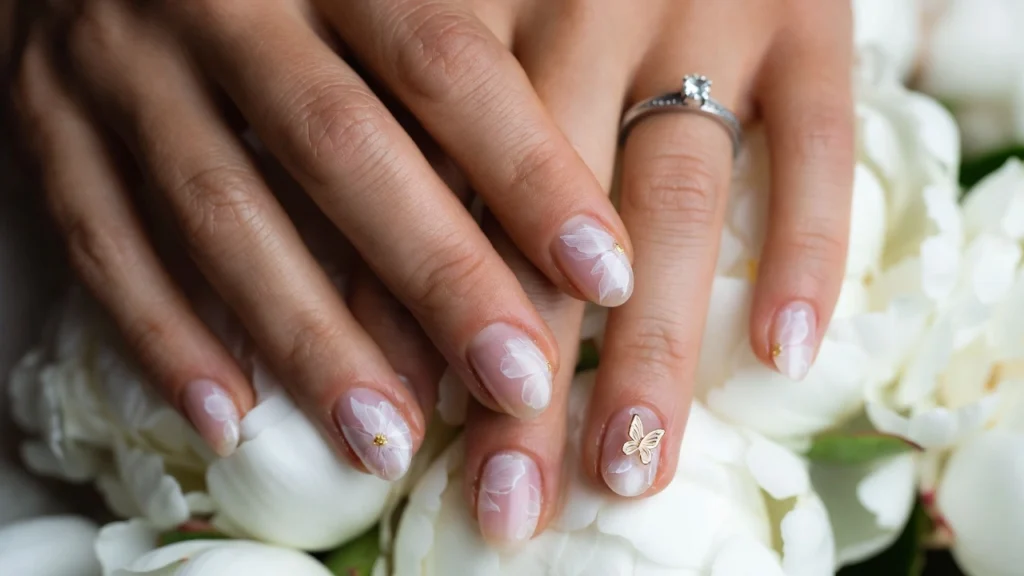
Nails. 2026 bridal nail trends are moving in a direction that favours the at-home manicure method and genuinely beautiful results at minimal cost. Blooming gel effects, which create a soft watercolour or tie-dye appearance in muted florals, are achievable with specific gel products and a basic lamp at home with practice. Short, natural nails with a slim French tip or minimal soft detail are consistently among the most photographically elegant options and require the simplest technique. Butterfly motifs and subtle 3D details in gold or soft pink are appearing in bridal nail content for 2026, these work particularly well in a bouquet flat-lay photograph.
The at-home gel manicure approach covered in detail elsewhere on this site directly applies to bridal nail preparation. A well-done at-home gel manicure with a simple blooming technique or clean French tip is genuinely indistinguishable from a salon result in a wedding photograph, and doing it the morning of removes the three-to-five day gap that causes gel to grow out visibly before the ceremony.
The Detail Layer: Styling for Photographs on a Budget
This is the layer where budget bridal style either holds together visually or falls apart, and it’s the layer with the most room for creative, low-cost decisions that produce high-impact photographic results.
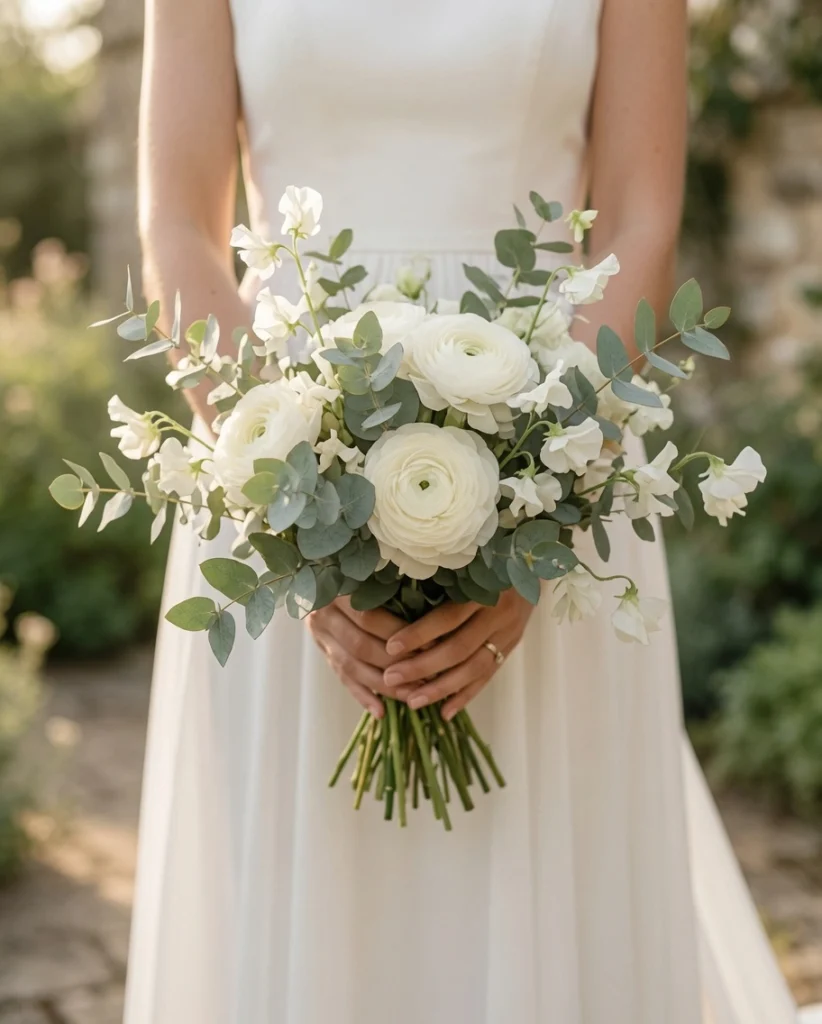
Florals. Natural, seasonal florals in a muted palette, soft white, blush, sage, and ivory, styled loosely rather than tightly constructed, consistently photograph as luxurious regardless of their actual cost. Farmers’ market flowers arranged informally, a garden-picked handful of eucalyptus and white ranunculus, a single variety in abundance rather than a complicated mixed arrangement, all produce a more genuinely beautiful photographic result than a structured, expensive centrepiece that reads as formal and generic.
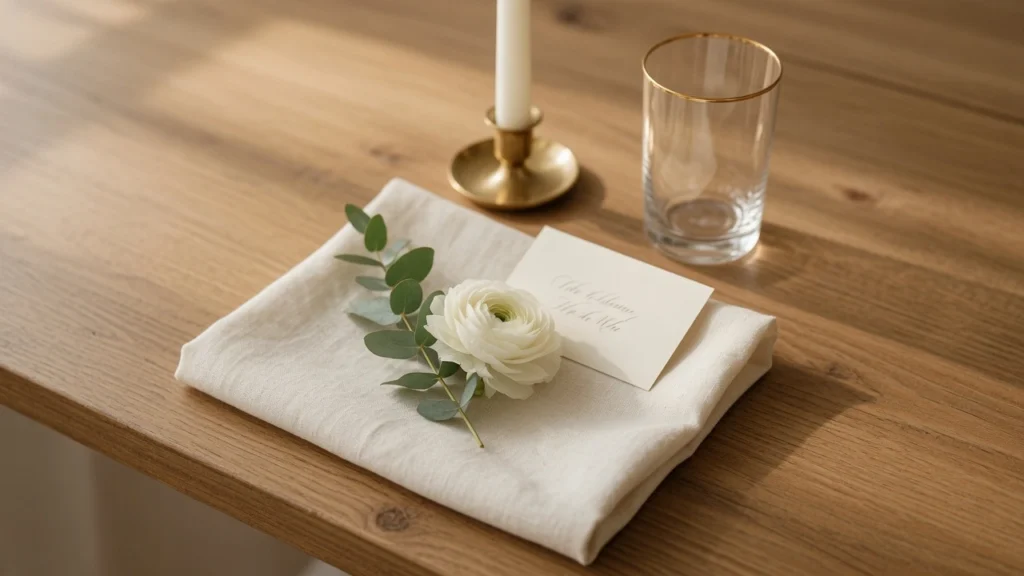
The single-stem approach for table settings, one significant stem per setting rather than a centrepiece arrangement, reduces total floral cost while creating a more intimate, editorial table aesthetic than the traditional centrepiece approach. This is a genuinely “quiet luxury” choice that signals intentionality rather than budget constraint.
Table settings and details. Thrifted or borrowed tableware, simple linen napkins, hand-lettered place cards on plain card stock, a single candle per setting, a few scattered dried petals. These elements cost almost nothing and photograph consistently better than generic rented tableware because they suggest a curated, personal aesthetic rather than a generic events package.
Favours and signage. Eliminating elaborate favours entirely is the single fastest way to reclaim a meaningful amount of budget, since most guests genuinely don’t take or remember small token gifts. A beautifully handwritten or printed “thank you” note at each setting, a small local honey or jam with a simple kraft paper label, or an edible favour that actually gets consumed on the day, these signal thoughtfulness more effectively than a more expensive item that most guests leave behind.
Hand-lettered or printed signage on kraft or cream card stock, framed in a simple wooden or thin gold frame, produces a coherent, editorial result at minimal cost. The quiet luxury aesthetic particularly favours this approach because clean, minimal typography on a warm background is consistent with the overall visual register of the style.
The Hard Numbers: What Budget Bridal Style Actually Costs in Total
Here is where the quiet luxury budget bridal approach produces its clearest advantage over the typical high-spend path, in the honest total cost across all layers rather than the dress price alone.
| Budget Bridal Layer | Typical Range | Budget Approach |
|---|---|---|
| Gown (online, resale, or sample) | $2,000+ traditional | $200-$500 |
| Alterations (if custom-sized) | $200-$500 | $0-$150 |
| Hair (cosmetology school or DIY) | $150-$400 | $40-$100 |
| Makeup (DIY with quality base) | $100-$300 | $30-$80 |
| Nails (at-home gel) | $60-$120 | $10-$20 |
| Florals (farmers’ market, loose) | $500-$2,000 | $100-$250 |
| Details, signage, favours | $300-$800 | $50-$150 |
| Total | $3,310-$6,120+ | $430-$1,250 |
The gap isn’t a marginal saving. It’s a structural difference that redirects several thousand dollars toward a honeymoon, a home deposit, or the emergency fund that makes the start of a marriage financially steadier than a maxed-out credit card and a gorgeous single day would have.
According to the Consumer Financial Protection Bureau’s guidance on managing major financial decisions, spending decisions tied to significant life events benefit specifically from a clear upfront budget and a method for tracking total costs across categories, rather than managing each category in isolation. That principle applies directly to bridal budgeting, where the dress price feels like the main variable while the supporting categories accumulate quietly to a comparable total.
If you want to understand the broader wedding budget picture alongside the style-specific approach in this article, how to plan a beautiful wedding on a budget without feeling like you compromised covers the full vendor and venue decision framework in detail.
What Changes When Budget Bridal Style Is Done With Intention
The photographs are the most visible outcome, and they’re where the quiet luxury approach produces its most striking result. A cohesive palette, natural light, a simple gown in good fabric, natural florals, and a genuine beauty look produce photographs that are genuinely difficult to date-stamp or price-stamp from the outside. They look like what they are, a thoughtful, aesthetically coherent day.
The less visible outcome is the financial one. A couple starting their marriage without wedding debt carries a meaningfully different financial baseline than one beginning with a significant credit card balance. The first months of a marriage are already a significant financial adjustment, shared expenses, potentially a new living situation, planning for future goals. Adding a five-figure debt to that starting point changes the texture of the first year in ways that a single expensive day rarely justifies in retrospect.
The Honest Summary
Budget bridal style done with an intentional quiet luxury framework isn’t a compromise version of a more expensive plan. It’s a different plan entirely, one where every layer of the look, the gown, the beauty, the nails, the detail styling, is chosen for visual coherence and photographic impact rather than price per item.
Start with the aesthetic framework before opening a single shopping website or booking a single vendor. Know what quiet luxury actually means in the specific context of your day, understated fabric, muted palette, natural florals, minimal accessories, and let that framework guide every decision within whatever budget you’ve set. Budget bridal style is not about spending the least possible on each category. It’s about spending intentionally across all of them toward a coherent, photogenic result that doesn’t leave a financial hangover behind.
Read More:
The $5 Manicure Method: Salon Looks Without the Salon Bill
Frugal Chic: How to Dress Expensive on Any Budget