

Ask ten women for their best budgeting advice and you’ll get the same ten answers: cook at home, cancel subscriptions, buy generic. All true, all useful, and all so repeated that they’ve stopped actually landing, which is exactly why so many well-intentioned budgets quietly fail within the first month. Silly money saving tips work differently, not because they’re more effective on paper, but because they’re specific and slightly odd enough that you actually remember and use them, instead of nodding along and forgetting by lunch.
This isn’t another recycled list of the same twenty tips every finance site has published for a decade. It’s genuinely different, unusual, small, and specific tricks pulled from real household habits, organized by category, honest about which ones actually save meaningful money and which ones are more about building a frugal mindset than a big number, and clear about exactly where each one fits into a real, imperfect household budget.
Silly money saving tips are small, specific, slightly unconventional habits that save real money precisely because they’re easy enough to actually stick with, unlike broad advice like budgeting harder, which rarely survives contact with a real, busy week. The best ones target a specific waste point most people never notice, not a general spending category everyone already knows to watch.
Why the Silly Ones Actually Work Better Than the Obvious Ones
There’s a real reason specific, slightly odd tricks tend to outperform generic budgeting advice in practice, not just in how memorable they are. Generic advice, spend less on eating out, requires a decision every single time the situation comes up, which is exhausting and easy to abandon after a stressful week. A specific, slightly silly habit, twisting the stem off produce sold by weight, or fusing soap scraps into one bar instead of throwing them away, only requires deciding once. After that, it’s just something you do, no willpower required on a repeat basis.
This is also why so many of the most effective silly money saving tips come from actual household forums and communities built entirely around frugality, rather than from financial institutions. People living the habit day to day tend to find the small, weird, genuinely effective tricks that a general finance article, written from a distance, never would.
Kitchen and Grocery Tricks Nobody Talks About
The kitchen produces more of these small, specific savings opportunities than almost any other room in the house, mostly because so much of what gets thrown away still has real use left in it.
Save pickle brine instead of pouring it out. That salty, tangy liquid works as a genuinely good overnight marinade for chicken, turning a plain cut of meat into something with real flavor for zero additional cost, and a splash of it livens up a basic salad dressing or a batch of deviled eggs, two uses most people never think to try before the jar goes in the recycling bin.
Fuse soap scraps into a new bar instead of tossing the last sliver. Press the remaining scrap of an old bar onto a fresh one while it’s still slightly damp, and it fuses together into one continuous bar over the next few uses, meaning almost nothing gets thrown away before it’s genuinely used up.
Let one plain container do the job of five specialty ones. A single tub of plain yogurt can replace sour cream in a recipe, cream cheese in a dip, a base for salad dressing, and a smoothie ingredient, which means fewer half-used specialty containers going bad in the back of the fridge.
Twist the stem off produce sold by weight when a store charges per pound rather than per item. A pepper or squash stem adds real weight for something you’re going to cut off and throw away anyway, and removing it before it hits the scale is a small, genuinely free adjustment.
Freeze herbs in a little oil or water in an ice cube tray instead of letting a fresh bunch go slimy in the crisper drawer within a week. Pop out a cube directly into a pan when a recipe calls for it, and a five dollar bunch of herbs stretches across months of cooking instead of one meal.
Household Habits That Add Up Quietly
Beyond the kitchen, a handful of household-wide habits fall into the same category, small on their own, genuinely additive over a year.
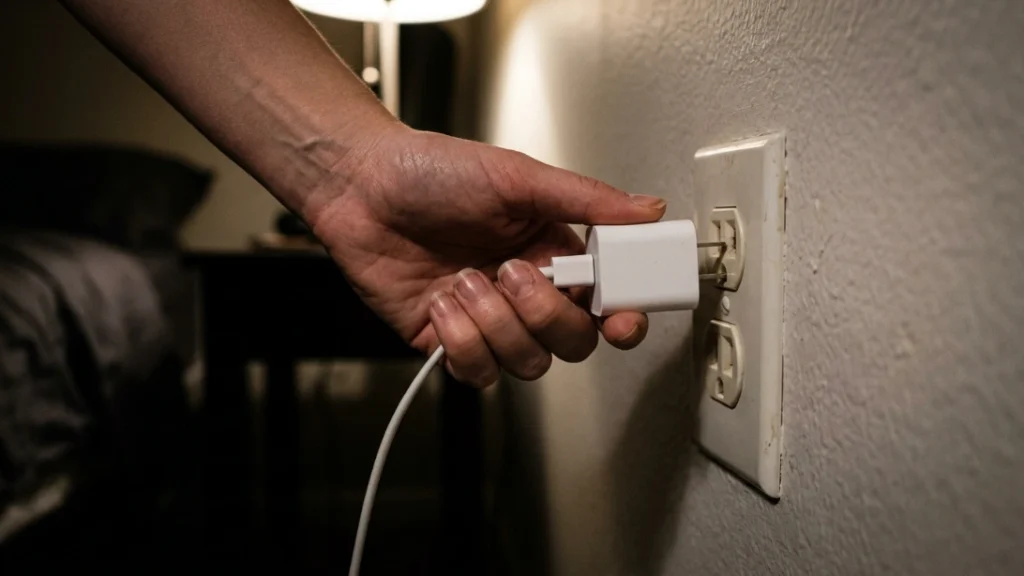
Unplug anything that sits on standby power overnight, chargers, game consoles, small kitchen appliances not currently in use. Standby power draw is real and measurable, and while any single device is a tiny amount, a household’s worth of standby devices running twenty-four hours a day adds up to a noticeable line on the electric bill over a full year.
Wait a set amount of time, some people use 24 hours, some a full 72, before buying anything nonessential that wasn’t already on a list. This isn’t about willpower in the moment of temptation, it’s about removing the decision from the moment of highest impulse and moving it to a calmer one, when the urge to buy has usually faded entirely.
Price a purchase in hours worked instead of dollars. Converting a sixty dollar impulse buy into “three hours of my actual work time” changes how it feels to spend far more effectively than just looking at the number on the price tag. The real hourly wage calculator does this math properly, factoring in commute time and work-related costs most people forget to count, so the number you’re comparing against is the real one, not just your listed salary divided by hours.
Borrow before buying anything used rarely, specialty tools, party equipment, seasonal gear. A library, a tool-lending program, or simply asking a neighbor covers a surprising number of one-time-use purchases that would otherwise sit in a closet after a single use.
Money Habits That Feel Too Small to Matter, But Aren’t
A few more habits sit specifically at the intersection of household and financial behavior, easy to dismiss individually, genuinely worth doing together.
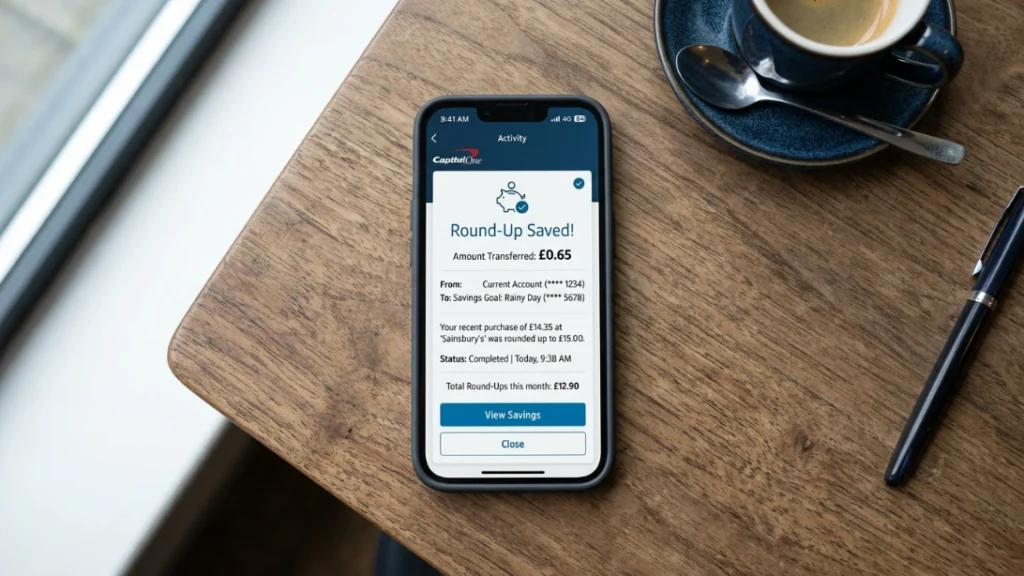
Round every purchase up mentally and let the difference sit in a separate account. Treating a 4.60 dollar item as an even 5 dollars and moving that extra 40 cents somewhere it won’t be spent turns dozens of tiny daily purchases into a savings habit that requires no separate decision at all.
Use one multi-purpose cleaning product instead of a separate bottle for every surface in the house. Most households own far more specialty cleaners than they actually need, and consolidating down to one or two genuinely versatile products cuts both cost and clutter at the same time.
Check a subscription’s actual usage before renewing rather than just before canceling. Most people only audit a subscription when they’re already annoyed about the cost, which means the decision is emotional rather than practical. Checking usage on a fixed schedule, the same week every few months, catches waste before it becomes resentment.
Repair the small, fixable version of something before replacing the whole thing. A loose button, a missing screw, or a small tear rarely requires buying a full replacement, but the instinct to just replace something slightly broken is strong enough that it’s worth consciously overriding.
Transportation and Errand Tricks Most People Overlook
Batch every errand that requires driving into a single loop instead of separate trips throughout the week. Planning a route that hits the pharmacy, the grocery store, and the post office in one trip rather than three separate ones saves real fuel cost over a year, and it saves time too.

Let tire pressure do quiet, ongoing work on fuel efficiency. Underinflated tires create more rolling resistance, which means an engine works harder and burns more fuel to cover the same distance. Checking pressure once a month takes minutes and costs nothing beyond that time.
Time grocery and errand trips around when a store restocks or marks down near-expiration items, often the same day or two each week depending on the store. Produce, bakery items, and meat marked down for quick sale are usually still completely fine to use immediately or freeze.
Carpool or combine trips with a neighbor for the same weekly errands, school pickup, a grocery run, a regular appointment. Splitting the actual cost of gas for a shared, repeated trip is one of the simplest silly money saving tips that also happens to save real time for both households involved.
Digital and Banking Tricks That Cost Nothing to Try
Set up an automatic transfer for a genuinely small, almost unnoticeable amount, five or ten dollars, into savings every single payday, separate from any larger savings goal. Because the amount is small enough not to be felt in a normal budget, it tends to survive tighter months when a larger automatic transfer would get paused or canceled.
Use a dedicated card or account specifically for subscriptions and recurring charges, separate from your main spending account. Seeing every recurring charge listed together in one place makes it far easier to notice when something has quietly crept up in price or is no longer being used.

Turn off saved payment information on shopping apps and sites where it’s genuinely optional. Adding a small amount of manual friction to the checkout process is enough to interrupt a meaningful share of genuinely impulsive purchases without banning yourself from ever shopping online.
Check whether a bank or credit union offers any small, automatic round-up savings feature built directly into the account. This is the digital, automated version of the manual rounding-up habit mentioned earlier, and it requires zero ongoing effort once it’s turned on.
Clothing, Kids’ Items, and Secondhand Tricks
Buy secondhand first for anything with a genuinely short useful life in your household, kids’ clothing a child will outgrow within months, maternity wear, specialty occasion clothing worn once or twice. The resale and consignment market for exactly these categories tends to be strong precisely because so many other households are offloading barely-used items for the same reason.

Rotate and store out-of-season clothing rather than buying a full new seasonal wardrobe every year. A surprising number of households quietly rebuy items each season simply because last year’s version wasn’t stored somewhere easy to find when the weather changed.
Learn one or two basic clothing repairs, a button, a simple hem, a small seam, rather than replacing an item at the first sign of minor damage. This is a genuinely small skill investment that pays off repeatedly over years rather than once.
Host or join a clothing swap with other parents or friends instead of buying new for items that will only be worn briefly.
Entertainment and Small Luxuries Without Cutting Them Out Entirely
A common mistake in frugal advice is treating every small luxury as something to eliminate entirely, which tends to backfire by making a budget feel punishing rather than sustainable, and punishing budgets rarely survive more than a few weeks before someone abandons the whole plan out of sheer exhaustion. The more effective version of these silly money saving tips reframes small luxuries rather than removing them outright.

Rotate which streaming service is active rather than paying for several simultaneously. Subscribing to one service for a month, watching everything of interest, then canceling and rotating to the next one covers the same amount of content over a year at a fraction of the cost.
Use a library card for more than just physical books, most public libraries now offer free digital movie and audiobook access, museum passes, and even equipment lending.
Host gatherings at home with a simple potluck structure instead of covering the full cost of hosting alone or defaulting to an expensive restaurant outing for every social occasion.
Set aside a specific, guilt-free small amount each month for exactly the kind of small purchase that would otherwise feel like “failing” at a budget. Planning for a coffee out or a small treat, rather than treating every instance as an unplanned failure, actually makes people more likely to stick with a broader savings plan long term.
Which Silly Tips Actually Move the Needle, and Which Ones Don’t
Not every single one of these habits carries equal weight, and being fully honest about that matters more than pretending every tip saves the same amount. Standby power, soap scrap fusion, and rounding up purchases genuinely fall into the “small but real” category, meaningful over a year, not something that changes a budget by itself in a single month. The waiting-period habit and the hours-worked reframe carry more actual financial weight, since they directly interrupt impulse spending, one of the larger, less-tracked spending leaks in most household budgets.
The kitchen tricks, pickle brine, the multi-purpose yogurt tub, herb freezing, sit somewhere in between: individually small, but genuinely additive when they become permanent habits rather than one-time experiments.
The honest takeaway is that silly money saving tips work best as a collection, not a single silver bullet. No individual habit on this list will transform a budget by itself. Stacked together and turned into permanent habits rather than temporary experiments, they genuinely add up to a meaningful amount over a full year, without requiring the kind of constant willpower that stricter budgeting advice demands.
I am not a financial advisor and this is not financial advice. For a full household budget strategy beyond these individual habits, talk to a qualified professional about what fits your specific situation.
Silly Money Saving Tips for Specific Life Stages
For new parents managing a tighter budget, freezing baby food in ice cube trays the same way herbs get frozen stretches a batch of homemade puree across weeks instead of days, and buying secondhand for anything a baby will outgrow within months avoids paying full price for something with a genuinely short useful life.
For anyone working from home, tracking which small home office costs are actually tax-deductible turns an expense that felt purely like spending into a partial recovery at tax time, though the specific rules depend on your situation and are worth confirming with a professional.
For households with pets, mixing a soft, inexpensive paste from pantry staples instead of buying pre-made specialty pet treats for administering medication saves real money on something most pet owners buy repeatedly without comparing the cost to a homemade alternative.
For anyone who travels occasionally, packing strategically to avoid a checked bag fee, layering slightly heavier items rather than packing them, saves a real, specific dollar amount per trip.
Myths About Silly Money Saving Tips Worth Correcting
The idea that small savings “don’t matter” compared to big financial decisions isn’t quite right. Big decisions, housing, a car payment, absolutely matter more in raw dollar terms, but silly money saving tips aren’t competing with those decisions, they’re filling in the gaps around them, and a household doing both tends to end up meaningfully ahead of one doing only the big-picture planning.
The assumption that these tips require constant tracking and spreadsheets to be worth doing is also backwards. The entire appeal of a genuinely good silly money saving tip is that it requires a decision exactly once, then runs on autopilot, which is the opposite of the constant vigilance more traditional budgeting advice tends to demand.
There’s also a common assumption that a habit has to feel dramatic to be worth adopting. In practice, the least dramatic habits, the ones that barely register as a change at all, tend to be the ones that actually survive a busy, imperfect real life.
How to Find Your Own Silly Money Saving Tips
Every household has at least one or two habits already in place that quietly save money without ever being labeled as a strategy. Finding these existing habits and naming them consciously, rather than only adopting new ones from a list, is often the fastest way to build a genuinely personalized set of silly money saving tips that actually fit your specific routine.
Start by looking at what you already reuse, repair, or repurpose without thinking about it, since these existing instincts usually point toward exactly the kind of low-effort habit that will actually stick. A habit that already feels natural is far more durable than one adopted purely because it appeared on a list.
Ask what gets thrown away in your household every week that still technically has some use left, food scraps, packaging, worn but not broken items, since this is almost always where the next genuinely useful, slightly odd trick is hiding, waiting to be noticed rather than invented from scratch.
Talk to family members, especially older relatives, about habits they consider completely ordinary, since a genuinely useful trick often gets dismissed by the person using it as “just what we’ve always done.” Sometimes the best silly money saving tips have been sitting in plain sight inside your own family for decades, simply never labeled as advice worth passing along.
Building These Into Permanent Habits Instead of One-Time Experiments
Pick two or three from this list that genuinely fit your household’s actual routine, not every single one at once, since trying to adopt fifteen new habits simultaneously is exactly the kind of overwhelming approach that makes people abandon frugal habits within a week.
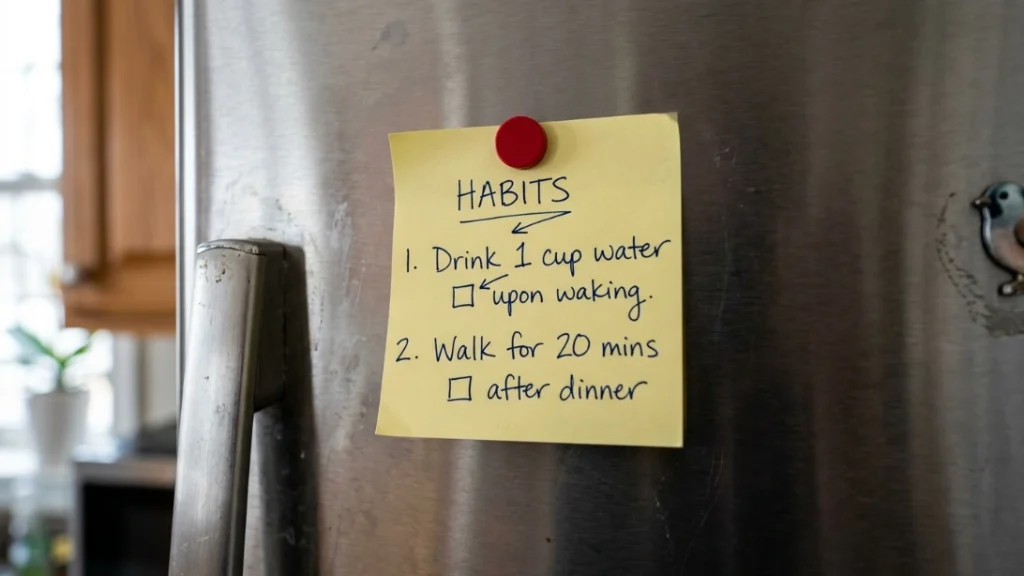
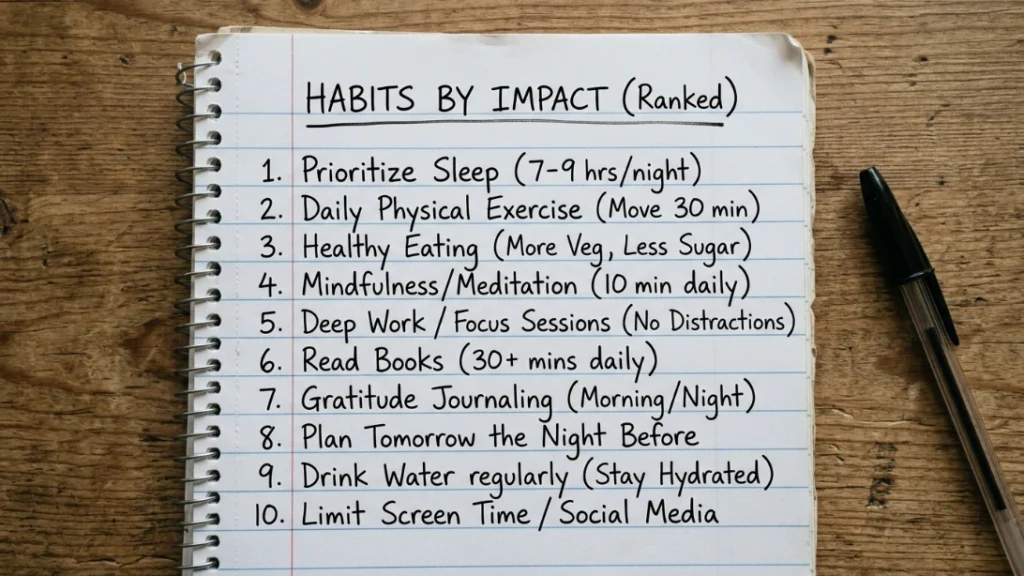
Write the two or three you’ve chosen somewhere visible for the first month, a sticky note on the fridge, a reminder in your phone, until they stop requiring conscious thought and become simply how your household operates.
Track the actual impact loosely rather than obsessively. A rough monthly estimate is enough to confirm a habit is working without turning frugality itself into a source of stress or constant vigilance. If you want the fuller picture, these small habits work best sitting inside a real household budget built around your actual numbers, not as a replacement for one.”
Where to Start This Week
Pick one category from above, kitchen tricks, household habits, or the money-specific ones, rather than trying to implement all four categories simultaneously. If you’re weighing whether a side hustle would move the needle faster than these habits alone, the side hustle hourly rate calculator is worth a quick check before committing real time to one.” Choose the single tip within that category that requires the least behavior change from your current routine.

Give it two full weeks before adding a second habit. Silly money saving tips work because they’re small enough to become automatic, and stacking too many changes at once undermines exactly the thing that makes them effective in the first place, ease.
None of this requires becoming a different kind of person or overhauling an entire lifestyle. The households that get the most out of silly money saving tips over time are rarely the most disciplined ones, they’re the ones who found two or three small, specific habits that genuinely fit their existing routine and simply kept doing them, quietly, for years, without ever needing to think about it as a sacrifice.
People Also Ask
Do silly money saving tips actually make a meaningful financial difference?
Individually, most are small, but stacked together and turned into permanent habits rather than one-time experiments, they genuinely add up over a full year. They work especially well alongside, not instead of, larger budgeting decisions like housing and transportation costs.
What’s the difference between a silly money saving tip and a generic budgeting tip?
Generic tips, like spend less on eating out, require a fresh decision every time the situation comes up. Silly money saving tips are usually a specific, one-time habit change that becomes automatic and requires no ongoing willpower once adopted.
Are silly money saving tips worth it if they only save a few dollars a month?
Yes, when several are stacked together and maintained consistently over a full year, since the habits compound rather than requiring separate effort each time.
How many of these habits should I try to start at once?
Two or three at most. Trying to adopt too many new habits simultaneously is one of the most common reasons frugal habits get abandoned within the first week.
Which silly money saving tips save the most money?
Habits that interrupt impulse spending directly, like a waiting period before nonessential purchases or reframing prices in hours worked, tend to carry more real financial weight than small kitchen or household tricks.
Do these tips work the same way for a single person as for a full household?
Yes, though the specific dollar impact scales with household size. A single person will see a smaller raw number than a family of five, but the underlying habit works identically regardless of household size.
Is it worth writing down which silly money saving tips I’m using?
A rough, casual note is more useful than a detailed tracking system. A sticky note or a simple phone reminder is genuinely enough to keep two or three small habits consistent without turning the whole thing into another task on your plate.