The sewing machine hums, the fabric scraps pile up on one side of the table, and somewhere around 10pm you finally admit it: this LEGO costume you built for $15 could have sold for three times that to someone who didn’t want to deal with cardboard and spray paint themselves. That thought is exactly where an Etsy Halloween costumes business usually starts, not with a business plan, with a costume that turned out better than expected.
Selling handmade Halloween costumes on Etsy is one of the more realistic seasonal side hustles out there, because the skill you already have (closet-shopping, DIY builds, sizing kids’ costumes) is a skill other parents are actively short on. This isn’t a “quit your job” pitch. It’s a specific, low-investment way to turn a skill you already use every October into income before the season passes you by again.
Selling Etsy Halloween costumes works best as a made-to-order business, not a stocked inventory one. List by early August, price based on materials plus your time, and focus on sizing accuracy and clear photos over novelty. Sellers who already sew can list finished pieces; sellers who don’t can start with no-sew accessory add-ons instead.
Why Most Etsy Costume Shops Never Make a Single Sale
Most abandoned Etsy costume shops fail for one boring reason: they opened in October. By the time a shop goes live three weeks before Halloween, buyers have already ordered from sellers who listed in August, since nobody wants a handmade costume arriving October 30th for a party on the 25th.
The second common mistake is pricing off “what feels fair” instead of materials plus time. A costume that took four hours and $18 in fabric, sold for $25, actually loses money once shipping and Etsy’s fees come out. And the third: vague listing photos. Costume buyers are shopping for a specific size on a specific date. A blurry photo on a hanger doesn’t answer either question, and they’ll click away to a listing that does.
None of these are skill problems. They’re timing and structure problems, both fixable before you list a single item.
How to Start Selling Etsy Halloween Costumes With Zero Sewing Experience
Where you start depends entirely on what you already have. Two real starting points exist here, and both lead somewhere.
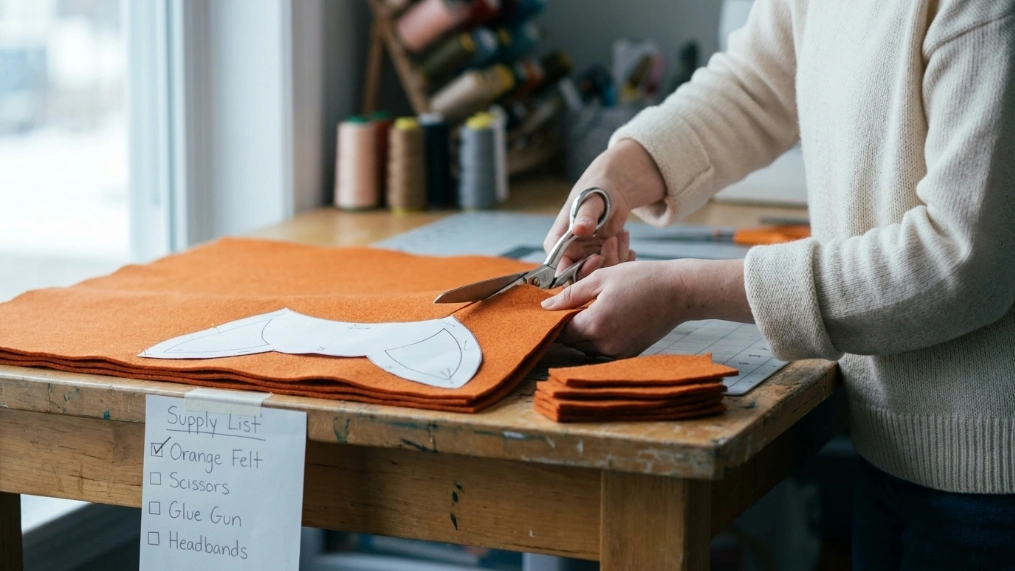
If you already sew or craft: you likely have a faster path. List two or three of your best past costume builds, priced with materials and hours factored in, and open the shop by early August so search visibility has time to build before peak buying season in September.
If you don’t sew at all: skip full costumes and start with no-sew add-ons instead. Fabric headbands, felt ear sets, glued-on accessory kits, and simple face-paint stencil packs require zero machine skill, cost under $5 in materials, and solve the “I need one specific piece, not a whole costume” problem a lot of Etsy shoppers actually have.
Either path needs the same three listing basics: at least one photo showing the item actually worn (not just laid flat), a clear size chart if it’s wearable, and a stated “order by” date so buyers know their October 31st deadline is safe.
What a Handmade Costume Business Can Realistically Earn
Exact figures vary widely depending on hours invested, pricing, and how early the shop opens, so treat the following as a realistic walk through rather than a guarantee.
- Materials cost first. A basic child’s costume built from felt, fabric scraps, and dollar-store notions typically runs $8 to $18 in materials, a general estimate based on standard craft pricing, not a fabricated figure.
- Price for your time, not just materials. If a costume takes three hours to make, even valuing that time modestly, the materials-plus-labor total usually lands the listing price somewhere between $28 and $45 for a full costume, or $6 to $15 for a simple accessory set.
- Volume stays realistic for a first season. A first-time shop selling even 10 to 15 items across August through October, entirely plausible for someone listing consistently and pricing correctly, produces real but modest income, not a full-time replacement in year one.
- Etsy and shipping fees eat into margin. According to sba.gov, understanding true costs, including platform fees, is one of the most common gaps for first-time small business owners, so building fees into your listing price from day one matters more than it seems.
The honest version of this hustle: it’s a real, achievable seasonal income stream, not a guaranteed dollar figure, and the sellers who do best are the ones who list early and price for their actual time.
The Skills You Already Have That Costume Buyers Pay For
You don’t need to be a professional seamstress to sell on Etsy. Buyers pay for the specific problem you solve for them, not a credential.
If you’ve ever built a costume from cardboard for your own kid, you already know how to construct something sturdy enough to survive one long night of trick-or-treating, which is a real skill a lot of casual crafters don’t have. If you’ve ever hemmed a costume to fit a specific kid’s height, you understand sizing in a way generic size charts don’t capture. And if you’ve ever spent an evening researching the “right” plaid pattern or the exact shade of green face paint for a specific character, you already do the research work buyers are paying to skip.
None of that requires a sewing degree. It requires the same resourcefulness that’s already gotten your own family through October for less than the store-bought version.
Which Costume Categories Actually Sell: A Realistic Breakdown
Not every costume idea makes an equally good first product. Before you build your first listing, it helps to know which categories tend to move fastest for a new Etsy Halloween costumes shop, and which ones are harder to compete in as a beginner with no reviews yet.
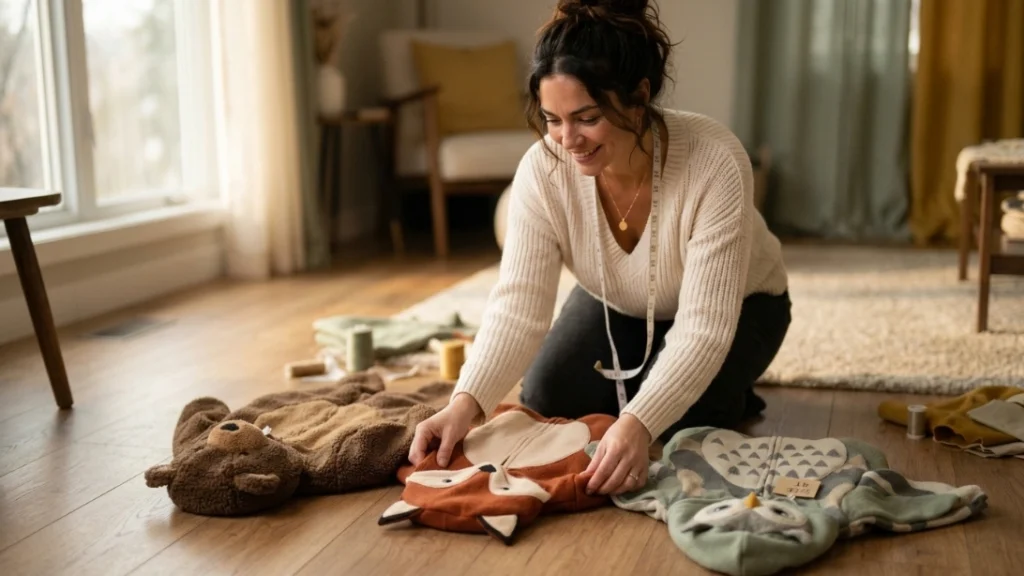
Group costumes and matching sets are one of the strongest categories for a new seller, because they solve a problem big retailers handle badly. A family of four wanting matching handmade pieces, say, a set of woodland creatures or a coordinated superhero family, usually can’t find that at a big-box store, and most competing Etsy shops don’t offer true customization on sizing across multiple people at once. If you can make a matching set in three sizes, you’re solving a specific problem instead of competing on price against a mass-produced single costume.
Baby and toddler costumes are another strong starting category, for a reason that has nothing to do with sewing difficulty. Parents of babies and toddlers are far more willing to pay a premium for a handmade item, since store-bought infant costumes are often flimsy, itchy, or poorly sized for a squirming baby who won’t tolerate discomfort for an entire evening. A soft, well-constructed pumpkin or animal costume in baby sizes, even a simple one, tends to outperform more elaborate adult costumes in terms of how quickly it sells and how little price resistance you’ll get.
Pet costumes deserve a mention too, since they’re consistently underserved relative to demand. A dog-sized costume takes a fraction of the fabric of a human one, and buyers shopping for their pet tend to be shopping for novelty and comfort over screen-accuracy, which plays directly to a handmade seller’s strengths over a mass-produced option.
Where new sellers tend to struggle is licensed-character costumes, the exact movie or show character a child has requested by name. These categories are heavily saturated, both by other Etsy sellers and by big retailers who can undercut on price through volume manufacturing. They also carry real trademark risk, since using a copyrighted character’s name or exact likeness in a listing title or description can get a shop flagged or taken down. If you want to serve that demand without the risk, the workaround most established sellers use is designing an “inspired by” version with a generic, non-branded listing title (a “green ogre costume” rather than using a trademarked character’s name directly), which sidesteps both the competition and the trademark exposure.
Costume accessories sold as standalone add-ons, capes, ears, wings, wands, are worth building into your first month regardless of which full-costume category you choose. They serve two purposes: they’re the no-sew entry point described earlier for sellers without machine skills, and even for sellers who do make full costumes, they function as a lower-priced “add to cart” item that increases average order value without requiring a whole new full costume design.
A realistic way to think about your first month’s product mix: one strong hero listing (a matching family set or a standout baby costume), two or three lower-priced accessory add-ons in the same theme, and one simple, well-photographed pet costume if you’re comfortable with smaller-scale sewing. That gives a new Etsy Halloween costumes shop three different price points and three different buyer motivations, without spreading a first-time seller’s limited hours across ten half-finished listings.
Pricing across these categories follows the same materials-plus-time math covered earlier, but category does shift what buyers are willing to pay. A matching family set of three costumes reasonably prices higher than three times a single costume’s price, since the buyer is paying for the coordination and convenience of not sourcing three separate items themselves. A baby costume, despite using less fabric than an adult one, often supports a similar price point to a basic adult costume, since parents are pricing against convenience and comfort rather than fabric yardage.
One category worth actively avoiding in a shop’s first season: costumes requiring specialty materials you don’t already have access to, expensive faux fur, structured foam armor, or anything needing equipment beyond a basic sewing machine. Not because they can’t sell, but because a first season is about proving the model works with what you already have, not about a materials investment before you know whether the shop will find buyers at all.
Your First 30 Days, Two Different Starting Points
If you’re starting with zero dollars to invest, spend the first week building two or three no-sew accessory listings using materials already in the house, list them by the second week, and reinvest whatever the first sale brings into fabric for one full costume listing. This path is slower, but it costs you nothing to begin.
If you have even $50 to put toward materials, spend the first week building one strong, photographed, well-sized costume listing and get it live immediately, since every week closer to August that a listing sits unlisted is a week of search visibility you don’t get back. This path moves faster because the investment buys you time, not because it requires more skill.
Either way, the version of you thirty days from now with a live shop and even one sale is meaningfully ahead of the version who spent October wondering if she should have started in August.
People Also Ask
Is it worth selling Halloween costumes on Etsy?
It can be, especially for sellers who already build costumes for their own family each year. The key is treating it as a made-to-order seasonal business with early listings, rather than expecting instant, large-scale income from Etsy Halloween costumes in a first season.
How early should I list Halloween costumes on Etsy?
Early August is the realistic target, since serious costume buyers start shopping in September and want their order to arrive well before Halloween. Listings that go live in October are competing against shops that have already built weeks of search visibility.
Do I need to know how to sew to sell Halloween costumes on Etsy?
No. No-sew accessory items like headbands, felt ear sets, and accessory kits require no machine skill and can be a realistic starting point for sellers without sewing experience, while still tapping into the same Etsy Halloween costumes buyer traffic.
How much does it cost to start a Halloween costume Etsy shop?
Materials for a basic costume typically run $8 to $18, a general estimate, and no-sew accessory items can start under $5 in materials. Etsy’s own listing and transaction fees should be factored into your price from the start rather than treated as a surprise later.
What sells best in a Halloween costume Etsy shop?
Accurately sized, clearly photographed pieces tend to outsell novelty items, since buyers are shopping for a specific event date and can’t risk guessing on fit. For more general guidance on what performs well across Etsy shops beyond the seasonal niche, see the site’s broader guide to what actually sells for beginners.