Most people who start thrift flipping quit within a few months, and it’s rarely because they couldn’t find anything worth reselling. It’s because they bought at the wrong time of year, listed everything on the platform with the worst margins for what they sold, or got burned once by a fake designer bag they didn’t know how to check.
Those three problems are fixable before they happen. None of them require experience. They require knowing three things most beginner guides skip past on their way to a list of “10 items to flip.”
Thrift flipping for beginners works best when you time your sourcing to seasonal donation surges, pick your resale platform based on real fee math rather than habit, and know how to spot counterfeit designer goods before you buy. Winter and early January bring the heaviest donation volume as people declutter after the holidays, while spring cleaning season floods stores with home goods and off-season clothing.
When Thrift Stores Actually Have the Good Stuff
Thrift store inventory isn’t random. It follows the same seasonal rhythm as everyone else’s closets and garages.
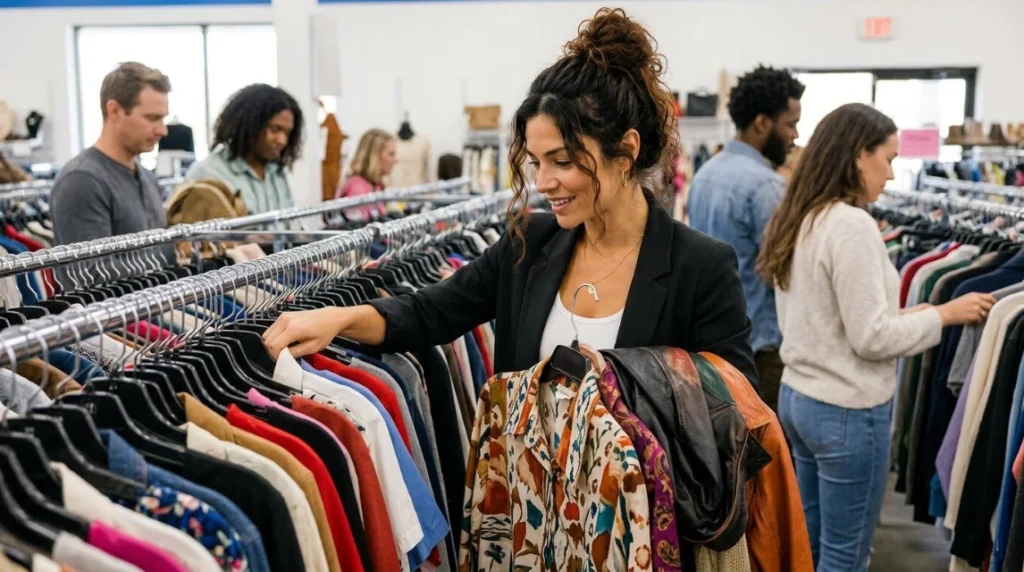
January through mid-February is the single best sourcing window most beginners miss entirely. Post-holiday decluttering means unwanted gifts, outgrown kids’ clothes, and the “new year, new me” wardrobe purge all land on shelves within weeks of each other. This is when you’ll find the highest volume of unworn or barely-worn items with tags still attached.
Late March through May brings spring cleaning donations: home goods, small appliances, and the previous season’s clothing that people are clearing out before summer. This window rewards resellers who focus on furniture and kitchenware over clothing.
August into early September is back-to-school season, and it works in reverse of what you’d expect. Parents aren’t donating school clothes, they’re donating everything their kids grew out of over summer, plus a wave of moving-related donations from families relocating before the school year starts. College towns specifically see a spike as students downsize dorm-bound belongings.
October through December is lower volume but higher quality in one specific category: holiday-adjacent formalwear and gently used coats, as people upgrade before parties and cold weather rather than after.
If you only have time to thrift once a month, the January window alone will outperform three random trips spread across the rest of the year.
Why Your Platform Choice Might Be Costing You More Than Your Sourcing Mistakes
New resellers tend to pick one platform and stay there out of habit, not math. The fee structures across major platforms are different enough that the same $50 item can net you meaningfully different amounts depending on where you list it.
| Platform | Seller Fee | On a $50 Sale | Best For |
|---|---|---|---|
| eBay | ~13.6% + per-order fee | ~$42.80 net | Electronics, collectibles, non-fashion, largest buyer pool |
| Poshmark | 20% (flat $2.95 under $15) | $40.00 net | Fashion-focused audience, built-in social sharing |
| Depop | 0% commission, ~3.3% processing | ~$47.90 net | Vintage, Y2K, streetwear, younger buyers |
| Facebook Marketplace | Free (local pickup) / ~5-10% shipped | $50.00 local / ~$45-47.50 shipped | Furniture, bulky items, local-only sales |
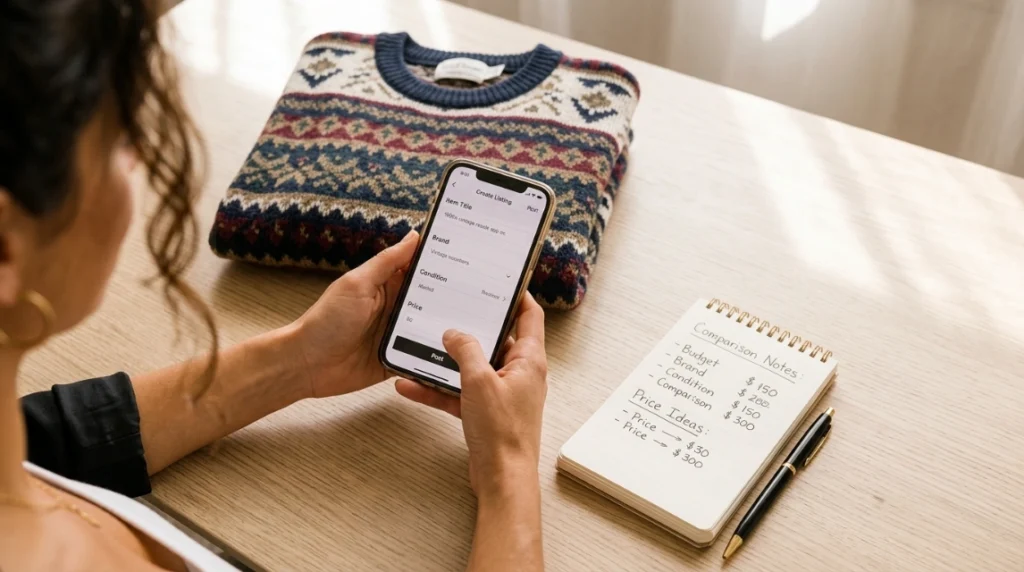
The pattern worth noticing: Depop’s near-zero fee structure makes it the strongest option for vintage and trend-forward clothing, while eBay’s larger buyer pool still wins for anything that isn’t primarily a fashion purchase. Facebook Marketplace’s local pickup option is the only genuinely free path, which matters most for furniture and anything too bulky or expensive to ship profitably.
A woman flipping the same ten items across four platforms based on category fit, rather than defaulting to whichever app she opened first, can realistically net 10 to 15 percent more per month without sourcing a single additional item.
The One Mistake That Can Wipe Out a Month of Profit
Designer and brand-name items sell for meaningfully more than generic ones, which is exactly why counterfeit goods show up in thrift store donation bins more often than most beginners expect. Someone donates a fake bag they bought years ago without knowing, and it ends up on a shelf priced like any other secondhand item.
Buying a counterfeit and reselling it, even unknowingly, creates real risk: platform bans, forced refunds, and in some cases legal exposure for knowingly selling counterfeit goods once you’ve been notified.
A few checks that catch the majority of obvious fakes before you buy:
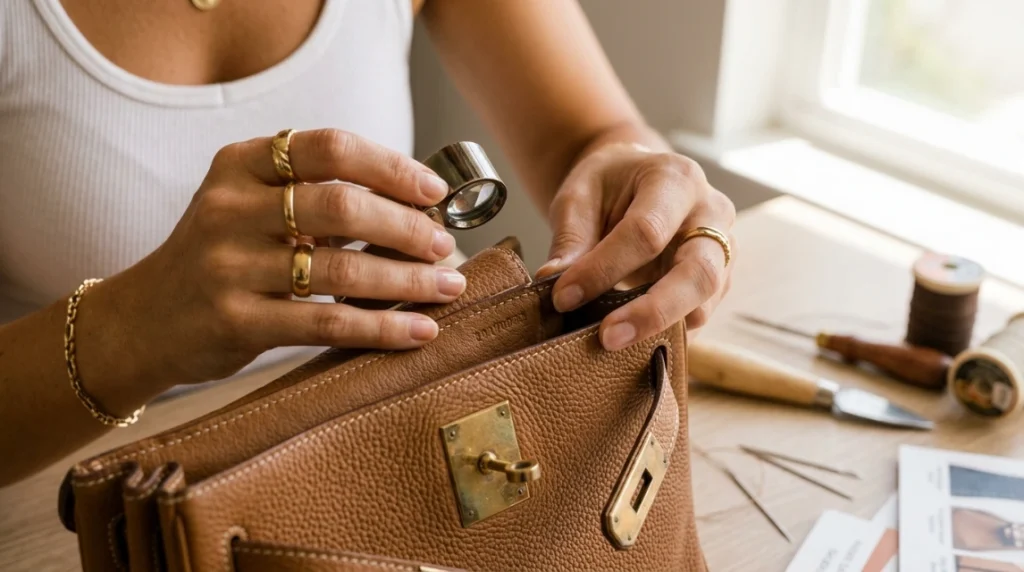
Check the stitching first. Authentic designer items use consistent, straight stitching with no loose threads. Uneven spacing or visible glue residue near seams is a common tell.
Weigh the hardware in your hand. Zippers, clasps, and buckles on real designer bags have real heft. Lightweight, plastic-feeling metal is one of the most common giveaways on fakes.
Look at the serial number or date code placement. Most major brands place these in consistent locations with a consistent format. A quick phone search for “[brand name] authentic serial number location” before you leave the store takes under a minute.
Trust the price against the wear. A bag in pristine, barely-used condition selling for $8 at a thrift store is a bigger red flag than the same bag showing genuine wear and aging.
If you’re ever uncertain, walking away costs you nothing. Getting stuck with unsellable inventory, or worse, a platform account suspension over a counterfeit listing, costs considerably more than the original purchase price.
Counterfeit goods and payment scams tied to online resale are common enough that the Consumer Financial Protection Bureau tracks and publishes guidance on protecting yourself during peer-to-peer transactions, which is worth a look if you’re new to accepting payments through resale apps: CFPB consumer protection resources.
What Your First Three Months Actually Look Like
Someone starting from zero, sourcing once a week and listing consistently, should expect the first month to be mostly learning: figuring out what sells fast in your area versus what sits, and which platform actually fits your inventory. Month two is typically where the seasonal timing above starts paying off, especially if your first sourcing trip lines up with a donation surge window. By month three, most consistent resellers have a repeatable rhythm: source, photograph, list, ship, repeat.
Real income from thrift flipping varies enormously depending on time invested, local thrift store quality, and how aggressively you cross-list across platforms. Anyone promising a specific guaranteed number is selling you something. What’s realistic is treating it as a genuine side income that scales with the hours you put in, not a passive one.
Once you’re earning consistently, this stops being a hobby in the eyes of the IRS. The IRS’s guidance on hobby versus business income is worth reading early, since it determines what you can deduct and when you’re expected to report.
People Also Ask
Does thrift flipping actually make money in 2026? Yes, but the amount depends heavily on time invested and platform choice. Someone sourcing weekly and listing across two or three platforms based on fee fit, rather than one platform out of habit, will consistently out-earn someone doing the same sourcing but listing everything in one place.
What sells best at thrift stores for resale? Brand-name clothing in excellent condition, vintage denim, designer accessories that pass an authentication check, small kitchen appliances still in working order, and books or media in specific collector categories all tend to move quickly. Generic fast-fashion items rarely justify the time to list.
Is Depop or Poshmark better for thrift flipping beginners? Depop’s near-zero seller fee makes it the stronger financial choice for vintage and trend-forward fashion, especially for younger buyers. Poshmark’s built-in social sharing features can move inventory faster despite the higher 20 percent fee, particularly for mainstream women’s fashion brands.
How do I know if a designer bag from a thrift store is real? Check stitching consistency, hardware weight, and serial number placement against the brand’s known authentication points before buying. When in doubt, walking away costs nothing, while reselling a counterfeit unknowingly can result in platform bans or refund disputes.
Do I have to report thrift flipping income on my taxes? Once thrift flipping moves from occasional selling to a consistent income source, the IRS generally considers it business income rather than a hobby, which changes what you can deduct and what you’re required to report. The IRS’s own hobby-versus-business guidance is the clearest starting point.
Before Your Next Sourcing Trip
Pick one thing from this guide to change this month: check the seasonal calendar before your next trip, run one item through the fee comparison before deciding where to list it, or actually learn one brand’s authentication points before you buy your next designer piece. Trying to fix all three at once is how most beginners burn out in the first six weeks.
The resellers who stick with this long enough to make it a real income stream aren’t the ones who found the most valuable single item. They’re the ones who stopped treating every thrift trip and every listing decision the same way.